

By Blua Digital health by Bupa
On this page
Key takeaways
- There’s no single right way for your breasts to look or feel.
- Breasts change at different times in your cycle, and throughout your life.
- Knowing what’s normal for your breasts can help you notice a new or unusual change.
Your breasts naturally change over time. What is considered ‘normal’ for some, might not be for others.
However, knowing what is normal for your breasts is important, as it can help you recognise any new or unusual changes.
What does normal mean when it comes to breasts changes?
“There is no single right way for breasts to look or feel,” says Caitlin Vasica, Cancer Screening Manager at Cancer Council NSW.
“It’s important to know that breasts can change at different times in your cycle, and your life. Many of these changes are caused by fluctuations in hormone levels.”
These times include:1,2
Menstrual cycle changes
Breasts may feel swollen, tender or lumpy just before a period begins. This swelling goes down when hormones fall after a period.
Pregnancy and breastfeeding changes
Breasts change during pregnancy and can grow around 2 cup sizes. Swollen or tender breasts are common in the early stages of pregnancy. Breastfeeding can also cause breast pain and cracked nipples.
Hormonal treatments
Some hormonal treatments such as contraceptive pills and hormone replacement therapy can cause breast tenderness and swelling particularly during the first few months of taking it.2
Perimenopause, menopause and ageing
Younger women generally have denser breasts as they are designed for producing milk. In menopause, these milk glands are almost totally replaced by fat. This makes breasts become softer, and usually less lumpy.
Although most breast changes above are considered non-cancerous, it is important that you speak to your doctor if you ever feel unsure.
How can I get to know what’s normal for my breasts?
In order to know when breast changes are normal, it’s important to know what your own breasts look and feel like.
“Being breast aware can be more helpful than following a prescribed self-examination schedule,” says Caitlin. “There is no recommended routine or set schedule for checking your breasts.”3
“Know what is normal for you so you can seek medical advice if you notice any new or unusual changes.”
Looking in the mirror regularly is a good way to learn what your breasts normally look like.
There's no right or wrong way to feel your breasts; some women might find it easier in the shower or bath, lying in bed or while they're getting dressed.
Become familiar with how your breasts feel at different times of the month. Feel all of the breast tissue, feel near the surface and deeper into the breast, from the collarbone to the bra line, and under the armpit.
What breast changes aren’t normal?
If you notice any changes that aren’t normal for your breasts, it’s important to see a GP as soon as possible.
Breast changes may not mean cancer, but see a doctor if you notice:4
- a new lump or lumpiness, especially if it's only in one breast
- a change in the shape or size of your breast
- a change to the nipple, such as crusting, ulceration, redness or recent inversion
- a nipple discharge that occurs without squeezing
- a change in the skin of your breast such as redness or dimpling
- an unusual pain that doesn't go away.
- changes to your skin or any lumps in the armpit or around the collarbone.
Breast awareness remains important whether you participate in screening. If you are eligible for BreastScreen Australia, follow the guidance that applies to your age and individual risk.
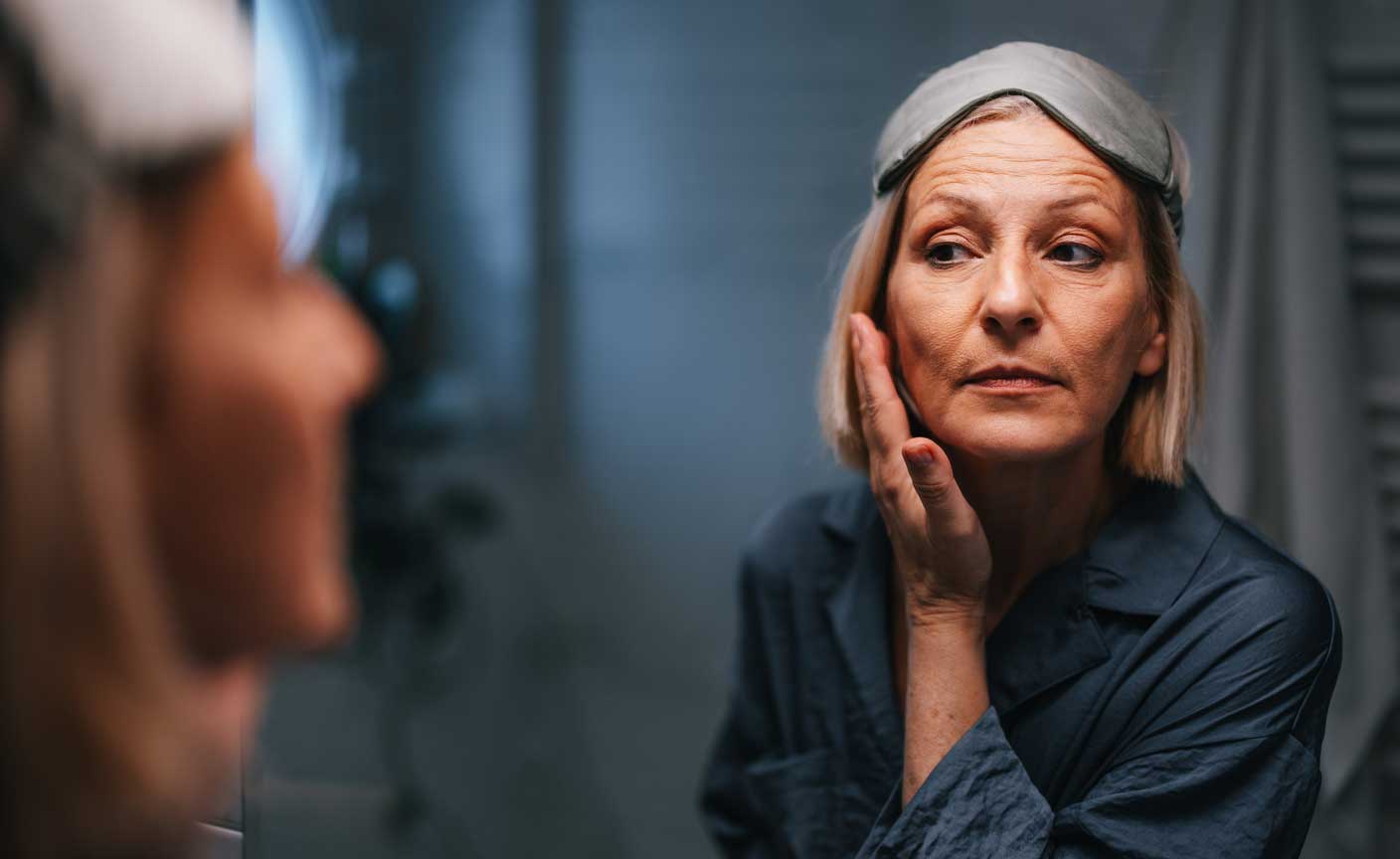
Self-care starts with a checkup
Make time for a health check with one of our friendly GPs.
Resources
The Cancer Council has resources to help understand more about breast cancer, its symptoms, diagnosis and treatment.
Breast Cancer Network Australia helps Australians who are affected by breast cancer receive the very best care, treatment and support.
Blua Digital health by Bupa
Blua is Bupa’s new home for digital health services like online doctor appointments and delivery of prescription items and over-the-counter goods.
At Bupa, trust is everything
Our health and wellbeing information is regularly reviewed and maintained by a team of healthcare experts, to ensure its relevancy and accuracy. Everyone's health journey is unique and health outcomes vary from person to person.
This content is not a replacement for personalised and specific medical, healthcare, or other professional advice. If you have concerns about your health, see your doctor or other health professional.
1 Cancer Council Victoria. (n.d.). Normal breast changes. Cancer Council Victoria.
2 Cancer Council Victoria. (n.d.). Common breast problems and conditions. Cancer Council Victoria.
3 Cancer Council (2026) Breast Awareness and Screening. Cancer Council
4 Breast Cancer Network Australia. (n.d.). How to check your breasts. Breast Cancer Network Australia.
You might also like
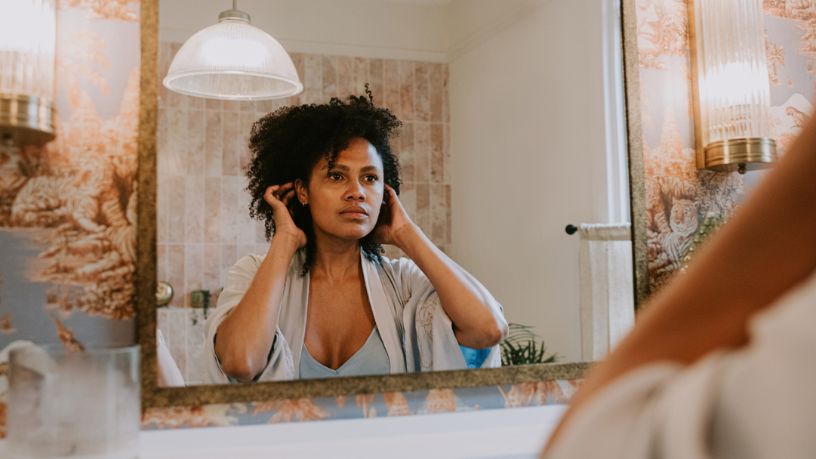
Make breast awareness a habit
Being breast aware means noticing changes as part of everyday life, without setting aside time for a formal check. Learn what’s normal for you, what changes to look for and when to speak to a GP.

What affects your breast cancer risk?
Many factors can influence your risk of breast cancer. Discover what they are and when to discuss your individual risk with a GP.

How to talk to your family about breast cancer risk
Learn how to start a family conversation, what information may be useful and how to share it with your GP.
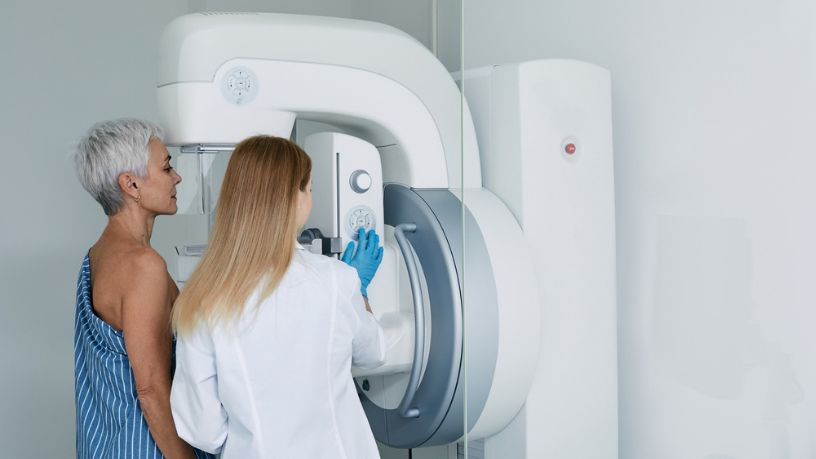
Breast screening: What you need to know
Understand how breast screening works, its benefits and limitations, and which pathway may apply to you.