
By Blua Digital health by Bupa
On this page
- Why does family cancer history matter?
- What else do I need to know if there’s a family history of cancer?
- How does genetics work in breast cancer?
- Genetic testing and genetic counselling are different
- How can I start the conversation?
- What information is useful?
- What if someone does not want to discuss it?
- What if I don’t know my family history?
- Resources
Key takeaways
- Most women diagnosed with breast cancer don’t have a family history of the disease.
- You’re considered to have a family history of breast cancer if at least one blood relative has had breast cancer.
- Many women have someone in their family who has had breast cancer; this can often happen by chance because the disease is so common.
“Most people with breast cancer don’t have a strong family history of the disease,” says Caitlin Vasica, Cancer Screening Manager at Cancer Council NSW.
“A small number may have inherited a gene fault, which can also be called a mutation. This can increase breast cancer risk.”
Here’s what you need to know about a family history of breast cancer.
Why does family cancer history matter?
“Family history on both your mother's and father's side is important when assessing breast cancer risk,” explains Caitlin.
“While most women diagnosed with breast cancer do not have a family history of the disease, family history becomes more important when more than one relative on the same side of your family (your mother's or your father's) has been diagnosed with breast cancer, particularly if they were diagnosed at a younger age.”
“Inherited gene variants linked to breast cancer can be passed down through either side of the family.”
“You are considered to have a family history of breast cancer if at least one blood relative has had breast cancer.”
“Many women have someone in their family who has had breast cancer, but this can often happen by chance because the disease is so common.”
Family history becomes more important when:1
- More than one relative on the same side of your family (your mother's or your father's) has been diagnosed with breast cancer.
- A close relative has been diagnosed with breast cancer, particularly at a younger age.
- A male relative has been diagnosed with breast cancer.
- A relative has had breast cancer in both breasts, or there is a family history of both breast and ovarian cancer in your family.
What else do I need to know if there’s a family history of cancer?
“It's important to find out what types of cancer have occurred in your family and the age each person was when they were diagnosed,” says Caitlin. “Information about relatives who have not had cancer can also help build a more complete picture of your family history.”
If you have a family history of breast cancer it can mean:2
- Cancer has developed by chance in your family. This is the most common reason.
- Your family shares the same environmental and lifestyle risk factors.
- You may have an increased risk of getting cancer
How does genetics work in breast cancer?
If you have a family history of breast cancer, you may have inherited a faulty gene causing an increased chance of cancer. It is important to know this is only a very small percentage of cancers.
“Genetic testing looks for inherited changes in genes that can increase the risk of developing certain cancers,” says Caitlin.
“Changes in genes such as BRCA1 and BRCA2 can increase the risk of breast cancer and some other cancers.” “Genetic testing may be offered based on a person’s own cancer diagnosis, their family history or other factors that suggest an inherited cancer risk.”
“Where possible, testing usually starts with the family member most likely to have a harmful inherited gene change, often someone who has had cancer.”
“If a harmful inherited gene change is found, other family members may be offered testing for the same change.”
“Your doctor can help you find out if your family history is of concern. If necessary, they may refer you to a family cancer clinic or genetic counselling service.”
Genetic testing and genetic counselling are different
Genetic counselling2 is a specialist service that helps people understand inherited cancer risk, the benefits and limitations of testing, and what results may mean for them and their family.
Genetic testing2 is a laboratory test that may be offered after appropriate assessment and counselling. If an inherited faulty gene is found through testing, it doesn’t mean you will definitely get cancer, it just shows that you have an increased risk.
How can I start the conversation?
Choose a natural moment and explain why you are asking.
You could say: “I’m learning more about our family health history. Do you know whether anyone in the family has had breast, ovarian or another cancer?”
Keep the conversation low pressure and let relatives share only what they are comfortable discussing.
What information is useful?
- Who had cancer and how they are related to you
- The type of cancer
- Their age at diagnosis
- Whether more than one relative on the same side of the family was affected
- Breast cancer in both breasts, ovarian cancer or male breast cancer
- Any known inherited gene variant or previous genetic testing
Both maternal and paternal family history can be relevant.
What if someone does not want to discuss it?
Not everyone knows their biological family history, and some relatives may not feel comfortable discussing cancer. Respect their decision.
Record what you do know, note any uncertainty and talk to your GP. Incomplete information can still support a useful conversation.
What if I don’t know my family history?
“You can use iPrevent to learn more about your individual breast cancer risk,” says Caitlin. “This online risk assessment tool can help you understand your risk and support a conversation with your doctor about screening and ways to manage your risk.”

Self-care starts with a checkup
Make time for a health check with one of our friendly GPs.
Resources
The Cancer Council has resources to help understand more about breast cancer, its symptoms, diagnosis and treatment.
Breast Cancer Network Australia helps Australians who are affected by breast cancer receive the very best care, treatment and support.
Blua Digital health by Bupa
Blua is Bupa’s new home for digital health services like online doctor appointments and delivery of prescription items and over-the-counter goods.
At Bupa, trust is everything
Our health and wellbeing information is regularly reviewed and maintained by a team of healthcare experts, to ensure its relevancy and accuracy. Everyone's health journey is unique and health outcomes vary from person to person.
This content is not a replacement for personalised and specific medical, healthcare, or other professional advice. If you have concerns about your health, see your doctor or other health professional.
1 BreastScreen NSW (2026) Breast cancer and family history. BreastScreen NSW
2 Cancer Council Australia (2020) Family history and cancer. Cancer Council Australia
You might also like

Make breast awareness a habit
Being breast aware means noticing changes as part of everyday life, without setting aside time for a formal check. Learn what’s normal for you, what changes to look for and when to speak to a GP.

What affects your breast cancer risk?
Many factors can influence your risk of breast cancer. Discover what they are and when to discuss your individual risk with a GP.

What breast changes are normal
Your breasts change at different times in your life. Learn which changes are normal.
Breast screening: What you need to know
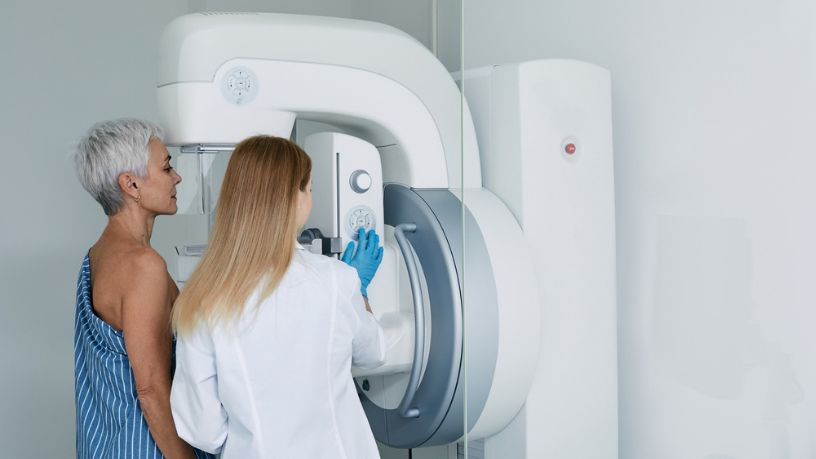
Understand how breast screening works, its benefits and limitations, and which pathway may apply to you.