

By Blua Digital health by Bupa
On this page
Key takeaways
- Breast awareness is about knowing your body, so you notice when something is different.
- Being breast aware isn’t about a special technique; it’s part of your everyday life.
- 9 out of 10 breast changes aren’t due to breast cancer.1
Everyone’s breasts are different; there is no single right way for your breasts to look or feel.
However, understanding what is normal for you can help you notice any new or unusual changes.
“Breast awareness means knowing the normal look and feel of your breasts and being alert to any changes,” says Caitlin Vasica, Cancer Screening Manager at Cancer Council NSW.
What is breast awareness?
Breast awareness is different from getting a breast screen. The important thing is knowing what’s normal for you, so you can recognise a new or unusual changes and talk to your GP without delay.
“You don't need special techniques or a strict schedule,” says Caitlin. “Simply being familiar with the usual look and feel of your breasts can help you notice changes early.”
“If something seems unusual or doesn't go away, speak with your GP.”
Why is breast awareness important?
Becoming familiar with your breasts can help you notice any changes.
“Breast awareness can help women identify changes that should be investigated,” says Caitlin. “If you notice anything new or unusual about your breasts, it's recommended that you see your GP promptly for professional advice.”
“By staying informed and proactive, women can improve their chances of early breast cancer detection and successful treatment.”
What changes should I look for?
Being aware of your breasts means you should notice any of the following:2
- a new lump or lumpiness, especially if it's only in one breast
- a change in the shape or size of your breast
- a change to the nipple, such as crusting, ulceration, redness or recent inversion
- a nipple discharge that occurs without squeezing
- a change in the skin of your breast such as redness or dimpling
- an unusual pain that doesn't go away
- changes to your skin or any lumps in the armpit or around the collarbone.
What should I do if I notice a change?
If you notice any changes in your breasts, see a GP as soon as possible. 9 out of 10 breast changes aren’t due to breast cancer1, but seeing a doctor can help determine what is going on.
How to get to know my normal?
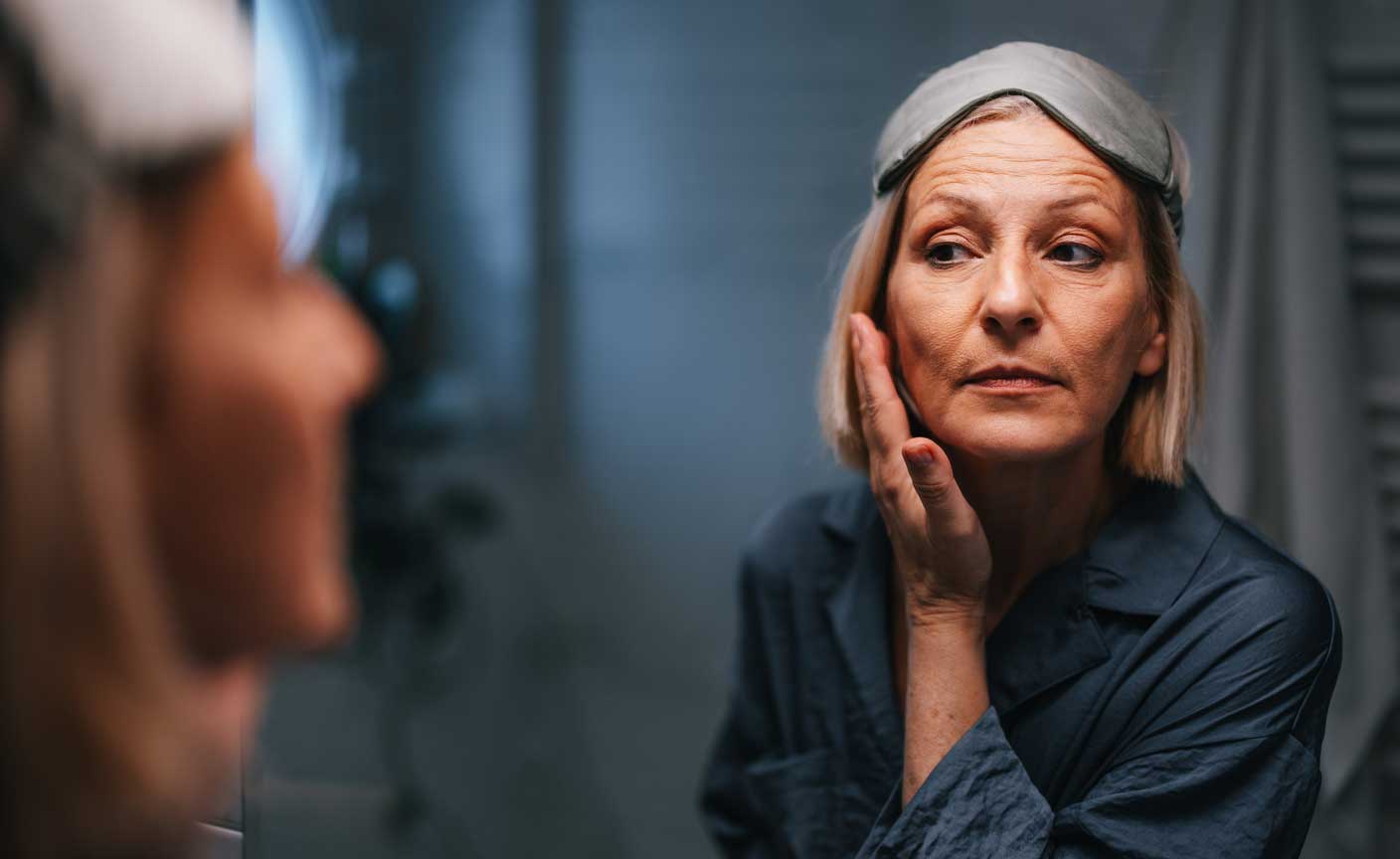
Looking in the mirror regularly is a good way to learn the normal shape of your breasts.
There's no right or wrong way to feel your breasts; some women might find it easier in the shower or bath, lying in bed or while they're getting dressed.
Become familiar with how your breasts feel at different times of the month.
Feel all of the breast tissue from the collarbone to the bra line, and under the armpit. Remember to check all of the breast tissue and to feel near the surface and deeper into the breast.
Self-care starts with a checkup
Make time for a health check with one of our friendly GPs.
Resources
The Cancer Council has resources to help understand more about breast cancer, its symptoms, diagnosis and treatment.
Breast Cancer Network Australia helps Australians who are affected by breast cancer receive the very best care, treatment and support.
Blua Digital health by Bupa
Blua is Bupa’s new home for digital health services like online doctor appointments and delivery of prescription items and over-the-counter goods.
At Bupa, trust is everything
Our health and wellbeing information is regularly reviewed and maintained by a team of healthcare experts, to ensure its relevancy and accuracy. Everyone's health journey is unique and health outcomes vary from person to person.
This content is not a replacement for personalised and specific medical, healthcare, or other professional advice. If you have concerns about your health, see your doctor or other health professional.
1 Cancer Council (2026) Breast Health. Cancer Council
2 Breast Cancer Network Australia (2026) How to check your breasts. Breast Cancer Network Australia
You might also like

What breast changes are normal
Your breasts change at different times in your life. Learn which changes are normal.

What affects your breast cancer risk?
Many factors can influence your risk of breast cancer. Discover what they are and when to discuss your individual risk with a GP.
How to talk to your family about breast cancer risk
Learn how to start a family conversation, what information may be useful and how to share it with your GP.
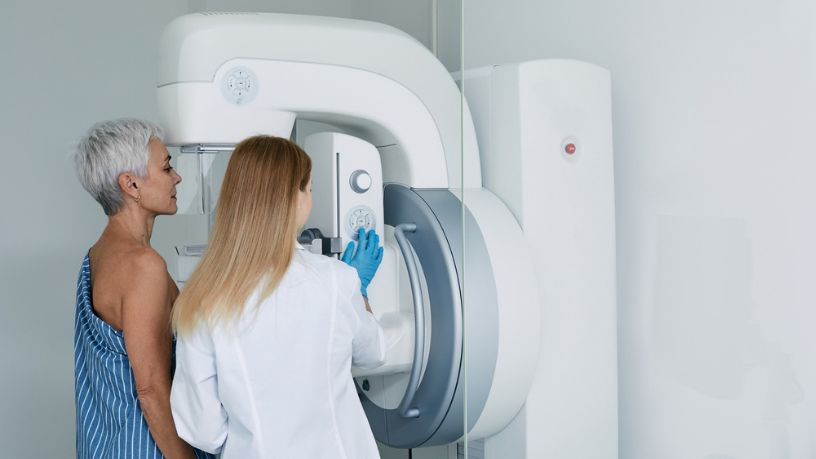
Breast screening: What you need to know
Understand how breast screening works, its benefits and limitations, and which pathway may apply to you.