

By Tracy McBeth Writer
On this page
Key takeaways
- Gum health affects your overall health, including heart, blood sugar, and pregnancy outcomes.
- Simple habits like brushing twice a day, flossing daily, and staying hydrated protect your teeth and gums.
- Regular dental check-ups detect problems early and prevent serious oral and systemic health issues.
Looking after your teeth and gums isn’t just about preventing cavities; it can affect your overall health.
Gum disease and inflammation in the mouth may influence conditions such as heart disease, diabetes and pregnancy complications.1
Maintaining your oral health helps protect your teeth and gums and may even support your general well-being.
The mouth–body connection
Your mouth naturally contains hundreds of bacteria. Most are harmless, but without proper oral hygiene, they can build up as plaque on your teeth and gums.
“A frequently dry mouth will harm the teeth because it allows plaque to build up faster, leading to a higher risk of cavities,” explains Bupa Dentist Dr Malcolm Duff.
Plaque buildup can lead to gingivitis, an early stage of gum disease, which can progress to periodontal disease if untreated. This affects the tissues supporting your teeth and may have wider implications for your health.
Gum disease and your health
Gum inflammation doesn’t always stay in your mouth.
It can enter the bloodstream and may influence other parts of the body.
Studies have linked gum disease with conditions such as heart disease, diabetes and pregnancy complications.2,3,4
Heart health
Chronic gum inflammation may contribute to cardiovascular risk. Bacteria from infected gums can enter circulation, triggering immune responses that affect blood vessels.
“Plaque accumulates on tooth surfaces every day, but if we brush regularly, it’s soft and easy to remove,” says Dr Duff. “If it’s not regularly brushed and flossed off, it becomes hardened and mineralised, impossible to brush off without seeing a dental professional.”
Diabetes
Diabetes increases the risk of gum disease, and severe gum disease can make blood sugar harder to control. Maintaining oral health may help with diabetes management.
“Floss also gets down to the gum level and disrupts the biofilm there, which reduces the amount of abuse that we are giving to our gums,” notes Dr Duff.
Pregnancy
Hormonal changes during pregnancy can make gums more sensitive.
Untreated gum disease may be associated with preterm birth or low birth weight.4 Regular dental care during pregnancy is recommended.
Signs your gums may need attention
Gum disease can develop slowly and without pain. Watch for:
- Bleeding when brushing or flossing
- Red or swollen gums
- Persistent bad breath
- Receding gums
- Loose teeth
“If the gums bleed when you floss, that’s the first sign of gingivitis and that's the first sign of problems,” says Dr Duff.
“Healthy gums should look like an orange peel. If it’s red and round that means it’s inflamed.”
Protect your teeth and health
- Brush twice a day
Brushing removes plaque and helps prevent gum disease. Dentists recommend brushing twice daily with fluoride toothpaste.
“Everyone knows you should floss every day, but not everyone does it. The key is to find a way to work it into your daily routine,” says Dr Duff. - Floss daily
Flossing cleans areas your toothbrush can’t reach, reducing plaque and gingivitis risk. - Stay hydrated
Saliva protects teeth by neutralising acids and washing away food particles. Dehydration reduces saliva flow, increasing risk of decay. - Eat for oral health
Enjoy a wide variety of fruits, vegetables, wholegrains, dairy and lean protein. Try to limit sugary drinks, sticky sweets and other ‘discretionary’ or junk foods.
Why see your dentist
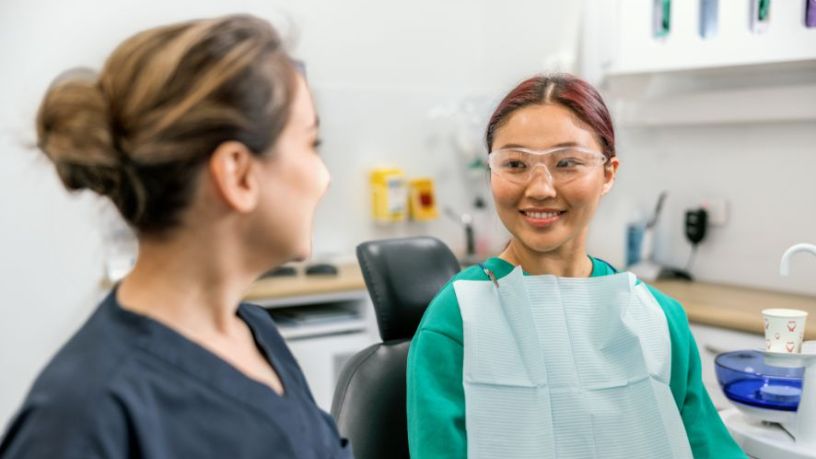
Even with great home care, plaque can harden into tartar, which only a dentist can remove. Regular check-ups detect problems early, before they become more serious.
“That’s the first place we see build-up on the teeth, because that’s where the saliva pools and you have more minerals in the mouth,” says Dr Duff.
“Ultimately, losing bone support will lead to loose teeth, mobile teeth and, eventually, the loss of teeth. Once there is a loss of bone support, any form of treatment becomes difficult.”
Healthy teeth, healthier body
Looking after your teeth isn’t just about a bright smile. Good oral hygiene may help support heart health, blood sugar control, and overall wellbeing.
Brushing twice a day, flossing daily, staying hydrated, eating a balanced diet, and seeing your dentist regularly are simple steps that protect both your oral health and your body.
Find your nearest Bupa Dental Clinic
With our nationwide network of Bupa-owned dental practices, we are closer than you think.
Tracy McBeth Writer
Tracy is a journalist with a passion for promoting good health, both mentally and physically.

At Bupa, trust is everything
Our health and wellbeing information is regularly reviewed and maintained by a team of healthcare experts, to ensure its relevancy and accuracy. Everyone's health journey is unique and health outcomes vary from person to person.
This content is not a replacement for personalised and specific medical, healthcare, or other professional advice. If you have concerns about your health, see your doctor or other health professional.
1 Australian Dental Association. (2024). Oral health and general health.
2 Popa, G. T., et al. (2025). The systemic link between oral health and cardiovascular disease. Journal of Clinical Medicine.
3 Diehl, D. (2026). Periodontitis and systemic health: An interconnected relationship. Advances in Experimental Medicine and Biology.
4 Le, Q. A., et al. (2021). Periodontitis and preeclampsia: A systematic review and meta-analysis.
You might also like...

Homemade toothpaste: Does it do more harm than good?
You may have heard about natural toothpaste, but is this supposedly healthier alterative better or even safer than your usual store-bought toothpaste?

How to look after your teeth as you get older
Your oral health can change as you age. Here’s what you can do to look after your teeth and gums.

7 simple ways to look after your dental health at home
You might have brushed your teeth every day of your life, but you may be getting some things wrong. Learn how to improve your dental game with expert tips.
Visiting a dentist in Australia
Regular dental check-ups are an important part of maintaining a healthy smile. Discover 6 things you should know about visiting a dentist in Australia.