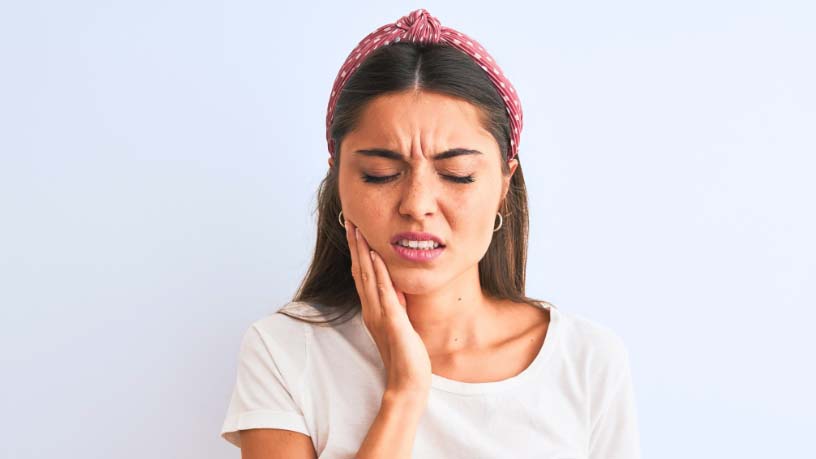
Medication can affect your oral health.
By Blua Digital health by Bupa

By Blua Digital health by Bupa
Medication can affect your oral health.
Looking after your gums and keeping an eye out for inflammation is essential.
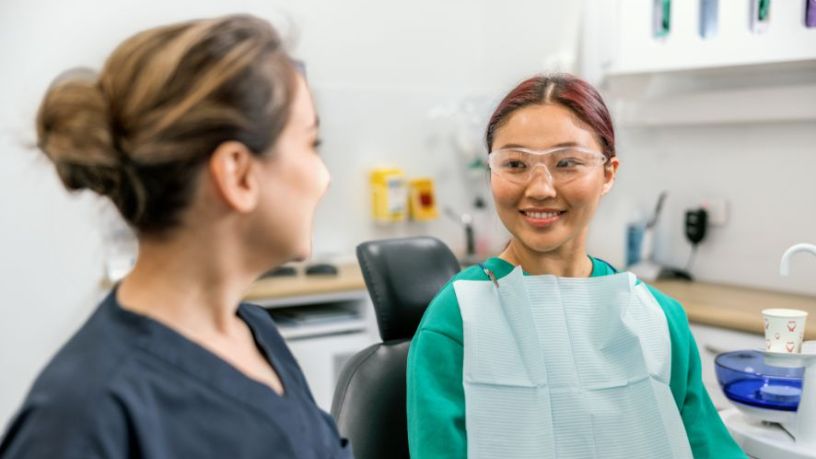
Regular half-yearly check-ups are important for helping you stay on top of your oral health.
Your oral health can change as you become older. Wear and tear and certain medications can all have an effect.
“You can expect all sorts of oral health changes when you get to this stage of your life,” says Head Dentist at Bupa, Dr Cathryn Madden. “A lifetime of the effects of certain habits can catch up with you once you get to your 50s and beyond.
“If you've been a smoker for a long time, been grinding your teeth for many years or have had a lot of dental work done in your younger years, there may be some stained, darker appearances to your teeth, or failing around your oral health.”
Here are Dr Madden’s top tips for looking after your teeth as you get older.
Certain medications can have side effects that affect oral health.
“Some medications can cause your mouth to go dry and reduce your saliva flow,” says Dr Madden. “Saliva is protective. It lubricates your mouth and neutralises any acids. If that protective effect is stopped, you can become at risk of dental decay.”
Your dentist can help you with prevention, and may recommend a different toothpaste or other methods to help prevent decay.
Some medicines can affect the way a dentist may approach your treatment. For example, medication for osteoporosis can affect the density of your jawbone. This may result in a referral to an oral surgeon for a tooth extraction, so it’s essential you tell your dentist about it.
Gums can recede as you age, as the tissue pulls away from the tooth. This can make it easy for bacteria to build up and cause inflammation or decay.
“When the tooth roots are a bit exposed, they’re softer than the hard enamel that goes over the tooth itself,” says Dr Madden.
Use a soft bristle toothbrush, or an electric toothbrush on a sensitive setting, so you don’t do any damage.
Flossing is an essential part of good oral health, too. “Floss between your teeth every day,” adds Dr Madden.
Regular check-ups are essential, even if you wear dentures.
“It’s a misconception that you don’t need to visit the dentist if you have dentures,” says Dr Madden. “Dentists also check your soft tissues and do oral cancer screenings, so it’s important you maintain regular, twice-yearly visits.”
Blua Digital health by Bupa
Blua is Bupa’s new home for digital health services like online doctor appointments and delivery of prescription items and over-the-counter goods.
At Bupa, trust is everything
Our health and wellbeing information is regularly reviewed and maintained by a team of healthcare experts, to ensure its relevancy and accuracy. Everyone's health journey is unique and health outcomes vary from person to person.
This content is not a replacement for personalised and specific medical, healthcare, or other professional advice. If you have concerns about your health, see your doctor or other health professional.
You may have heard about natural toothpaste, but is this supposedly healthier alterative better or even safer than your usual store-bought toothpaste?
Good oral hygiene does more than protect your teeth; it may also support your heart, blood sugar and overall health.
If you’re having trouble sleeping, your teeth might be to blame. Find out how bruxism may be affecting you.
Regular dental check-ups are an important part of maintaining a healthy smile. Discover 6 things you should know about visiting a dentist in Australia.