High blood pressure or hypertension usually has no symptoms, but it's a major risk factor for heart attack, heart failure, stroke and kidney disease.
By Blua Digital health by Bupa

By Blua Digital health by Bupa
High blood pressure or hypertension usually has no symptoms, but it's a major risk factor for heart attack, heart failure, stroke and kidney disease.
Having your blood pressure checked regularly is the only way to know if you have hypertension.
While everyone has different targets, this blood pressure chart is a general guide to typical blood pressure levels.
Blood pressure measures the pressure of blood against your artery walls as your heart pumps blood around your body. A typical blood pressure can vary from person to person, and it is normal for blood pressure to fluctuate throughout the day due to factors like physical activity, sleep or emotions.1
Blood pressure is recorded as two numbers. The systolic pressure (top number) is the pressure in the arteries as the heart contracts. The diastolic pressure (bottom number) is the pressure in the arteries as the heart relaxes.1
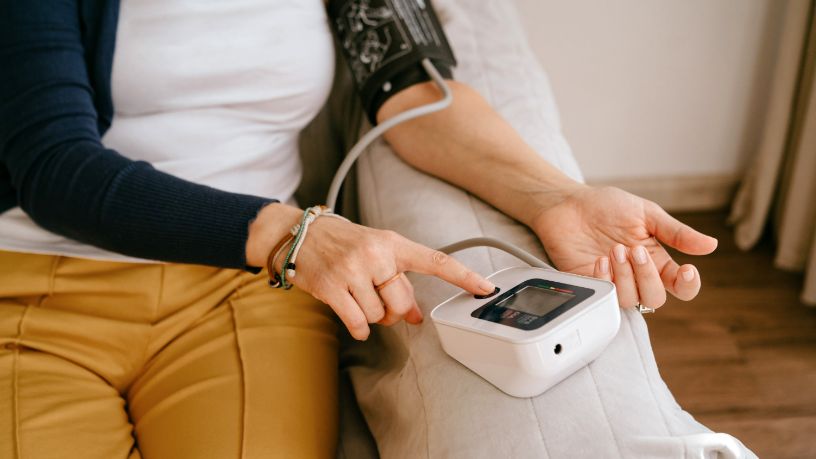
Having your blood pressure checked regularly is the only way to know if you have hypertension. The most common way to measure it is via an inflatable cuff that sits around your upper arm and is attached to a blood pressure monitor.
For adults, it is recommended to have your blood pressure checked at least every 2 years or more frequently if you have a family history of high blood pressure, risk factors for cardiovascular disease or if you’ve previously been diagnosed with high blood pressure.2 You can have your blood pressure checked by your GP, nurse, pharmacist or at home with a validated blood pressure monitor.
The best way to measure your blood pressure at home is:
The chart below provides a guide for adults. It is normal for blood pressure to vary from person to person, and to fluctuate throughout the day. There are different targets for different people. Speak to your medical team about the numbers that are right for you.
Blood pressure levels for adults:2
Low blood pressure can be a concern if it causes symptoms such as feeling faint or dizzy. High blood pressure usually doesn’t have any symptoms. If your blood pressure is over 180 mmHg systolic (top number) or 110 mmHg diastolic (bottom number), it is recommended you seek urgent medical advice.2
Your risk of high blood pressure increases with age, but also if you:
You can manage your blood pressure by eating for heart health and exercising regularly, and in some cases your doctor may recommend medication.

Blua Digital health by Bupa
Blua is Bupa’s new home for digital health services like online doctor appointments and delivery of prescription items and over-the-counter goods.
At Bupa, trust is everything
Our health and wellbeing information is regularly reviewed and maintained by a team of healthcare experts, to ensure its relevancy and accuracy. Everyone's health journey is unique and health outcomes vary from person to person.
This content is not a replacement for personalised and specific medical, healthcare, or other professional advice. If you have concerns about your health, see your doctor or other health professional.
1Heart Research Institute. (n.d.). What is normal blood pressure by age?
2Victorian State Government, Better Health Channel. (n.d.). Blood pressure.
3Heart Foundation. (n.d.). Blood pressure and heart health. https://www.heartfoundation.org.au
Did you know that some foods can actually reduce cholesterol and keep your heart healthy? Find out how and try eating more heart healthy foods.
High blood pressure (hypertension) is a serious health condition, but there are some simple lifestyle changes you can make to keep it under control.
It’s great if your blood pressure is in a healthy range, but do you know how to keep it in check? Start building healthy habits before there’s a problem.
Dietitian Heather Ko explains the causes and dangers of high blood pressure (also known as hypertension), and the things you can do to manage a diagnosis.