

By Blua Digital health by Bupa
On this page
Key takeaways
- High blood glucose levels over time can affect the blood vessels in the eye.
- Left untreated, this can lead to vision loss.
- Regular eye checks and letting your optometrist know you have diabetes can help protect your vision.
Diabetes can affect eye health over time, but many changes develop slowly and can be picked up early with regular eye checks.
The link between eye health and diabetes
Diabetes can affect eye health in a few different ways.
Changes in blood glucose levels can affect the lens of the eye, which may cause temporary changes in vision until levels stabilise.1
Over time, high blood glucose levels can affect the small blood vessels in the eye. This can lead to a condition called diabetic retinopathy.
Diabetic retinopathy can develop without obvious symptoms, which is why regular eye checks are important for early detection and treatment.
People living with diabetes are also at higher risk of glaucoma and cataracts, which can affect vision quality over time.2
What happens in an eye test?
Regular eye checks involve several tests that your optometrist may do to check general eye health and vision.
If you live with diabetes the following tests are important.
- Pressure test (tonometry): a gentle puff of air is used to measure eye pressure. High pressure can indicate glaucoma.3
- Visual field test: to check your peripheral vision, your optometrist may ask you to look left and right. Loss of peripheral vision can indicate glaucoma.
- Eye muscles: using a light to shine into the eye, your optometrist can check the strength of your eye muscles. They will also be able to see any new blood vessels forming or any bleeding or broken vessels that can be signs of diabetic retinopathy.
These tests help pick up changes early, often before you notice any symptoms.
How often do I need an eye test?
Most people living with diabetes should have regular eye checks1, usually at least every 1 to 2 years. Your optometrist or healthcare team may recommend more frequent checks depending on your individual situation.
If you have been newly diagnosed with diabetes, it’s recommended to get an eye check and let your optometrist know about the condition.
If you live with diabetes and become pregnant, it is recommended that you have more regular eye checks during pregnancy, as recommended by your healthcare team.
Depending on the type of diabetes and how well your condition is managed your doctor may recommend more frequent testing. Always defer to your doctor’s advice and guidance.
How to support good eye health
There are simple things that can support your eye health alongside diabetes care:
- Managing blood glucose levels where possible
- Not smoking, as it can affect blood vessels in the eyes
- Staying active to support overall circulation
- Eating a balanced diet
- Taking regular breaks from screens
- Making sure you have good lighting when reading or doing close work
Need some support?
Call us on 1300 030 238 (Mon-Fri, 9am-5pm AEST) to speak with one of our health professionals or register for a call back to find out what programs are available to you.
Blua Digital health by Bupa
Blua is Bupa’s new home for digital health services like online doctor appointments and delivery of prescription items and over-the-counter goods.

At Bupa, trust is everything
Our health and wellbeing information is regularly reviewed and maintained by a team of healthcare experts, to ensure its relevancy and accuracy. Everyone's health journey is unique and health outcomes vary from person to person.
This content is not a replacement for personalised and specific medical, healthcare, or other professional advice. If you have concerns about your health, see your doctor or other health professional.
1 Diabetes Australia. (n.d.). Your eye health and diabetes.
2 Cleveland Clinic. (2024). Glaucoma. And Mrugacz, M., Pony-Uram, M., Bryl, A., & Zorena, K. (2023). Current approach to the pathogenesis of diabetic cataracts. International journal of molecular sciences, 24(7), 6317.
3 Health Direct. (2024). Eye tests.
You might also like
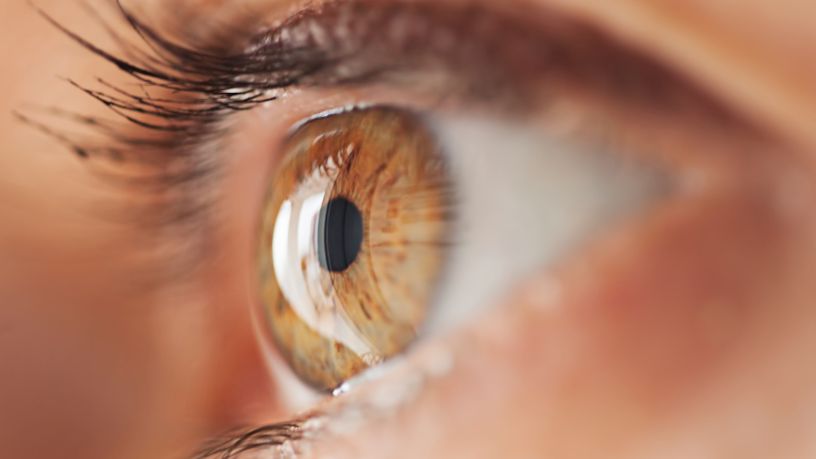
Diabetic retinopathy: What you need to know
Bupa Optical Head Optometrist Karen Makin talks about the importance of regular eye exams to help prevent diabetes-related vision loss and blindness.

Cataracts: The basics
Cataracts become more common with age and can affect your vision over time. Learn how to spot the signs, understand your risk and explore treatment options.
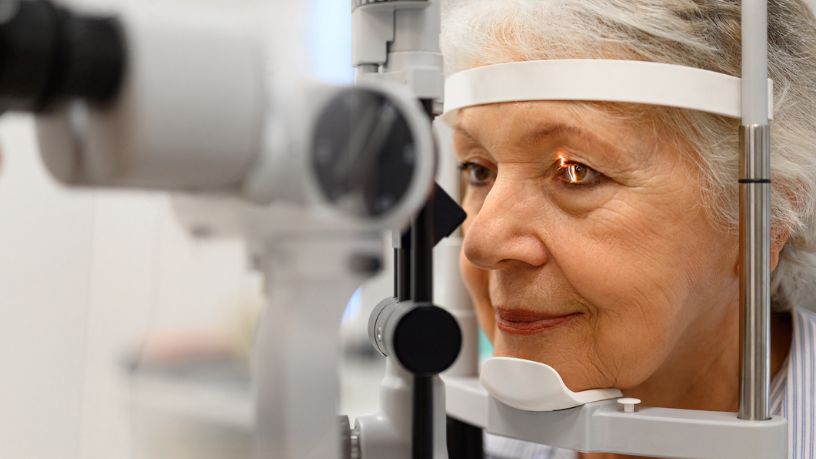
Diabetes and glaucoma
Bupa Optical Head Optometrist Karen Makin highlights the importance of regular eye exams in helping to detect glaucoma early and reduce the risk of vision loss.
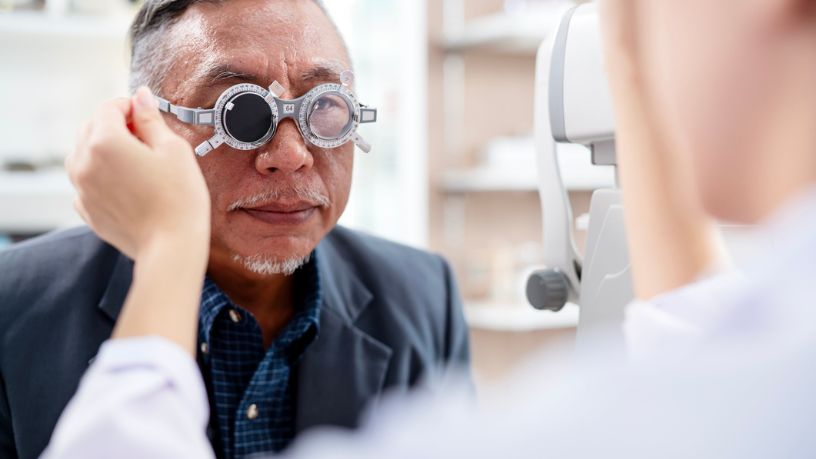
Diabetes and cataracts
Bupa Optical Head Optometrist Karen Makin talks about the importance of regular eye exams to help identify and treat cataracts caused by diabetes.