

By Karen Makin Optometrist
On this page
Key takeaways
- Diabetic retinopathy can impact anyone living with diabetes.
- Early stages of the disease can have zero symptoms.
- Routine eye exams can detect early signs of eye disease and lead to treatment that helps prevent vision loss.
The most common cause of preventable vision loss in working adults, diabetic retinopathy can occur in anyone with type one or type 2 diabetes.1
Having routine and regular eye exams with your optometrist can improve the chance of early detection and help prevent vision loss and blindness.
What is diabetic retinopathy?
A complication of diabetes, diabetic retinopathy is damage to the blood vessels in your retina. It can lead to vision problems and vision loss.2
High blood sugar levels caused by poorly managed diabetes can cause distinct changes in the retina in the back of the eye, mainly bleeding and leakages in the blood vessels. As the disease becomes severe, we’ll see new blood vessels forming. If left untreated, diabetic retinopathy can lead to vision loss and blindness.
Symptoms of diabetic retinopathy
As an optometrist, I don’t expect to see diabetic retinopathy in people who are in the early stages of diabetes, but the risk does increase the longer you live with type one or type 2.
People who have diabetic retinopathy can have zero symptoms. This makes regular eye exams and checks with your optometrist crucial, especially if you have diabetes or prediabetes. Given the fact that there are up to half a million Australians with diabetes who haven’t yet been diagnosed, all adults should see their optometrist at least every 2 years to be safe.1
When symptoms do occur, they can include:
- sensitivity to light or glare
- blurred or distorted vision
- floaters or moving specks in your vision
- sudden loss or changes in vision.
Treatment for diabetic retinopathy
The likelihood of getting diabetic retinopathy increases the longer you live with diabetes, and up to one third of Australians with diabetes have signs of diabetic retinopathy.3
The severity of the condition can depend on how well your diabetes is managed. But for someone who has been living with diabetes for 10 years or more, even well-managed diabetes, it’s not unusual to see signs of diabetic retinopathy.
Good diabetes management includes keeping blood pressure and cholesterol in a healthy range and controlling blood glucose levels. Medication, a healthy diet and regular exercise can all help.
Because diabetic retinopathy can develop slowly, early detection can allow for treatments that may slow the progression and prevent serious complications such as vision loss.
Treatments for diabetic retinopathy can include:2
- Laser treatment
- Injections
- Eye surgery
Preventing diabetic retinopathy
Eye disease, such as diabetic retinopathy, is common in people with diabetes, and it may not be entirely preventable.
Even in prediabetes, early-stage diabetes, or with well-managed diabetes, eye damage can happen. In fact, eye problems are often the first sign of diabetes.
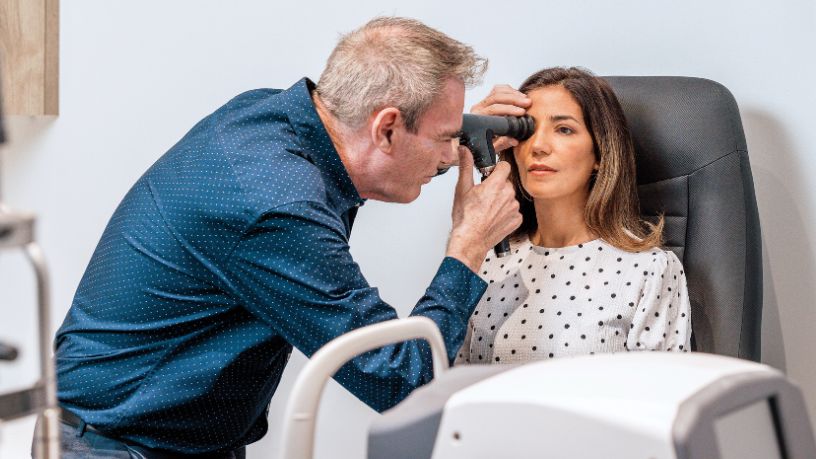
As optometrists, we’re in the unique position where we can see how blood vessels are behaving and changing, simply by looking in your eye. This means your routine eye check is one of the least invasive and most revealing health checks you can have and one of the best ways to slow or prevent severe disease.
One of the best ways to reduce the risk of developing diabetic retinopathy is to make sure your diabetes is well managed. Talk to your GP about how to do this and have regular health checks and eye exams.
General eye health is also important and something you can take charge of at home. Avoiding smoking, eating a balanced diet and doing regular exercise can all help support healthy eyes. Taking breaks from screens, spending time outside and wearing sunglasses when it’s sunny are great too.
While eye conditions from diabetes may not be completely preventable, the risk of serious symptoms resulting from the disease, such as vision loss and blindness, may be prevented with early detection, management and treatment.
Talk to your GP, optometrist or ophthalmologist about your eye health in relation to your diabetes risk or stage of disease.
Book an eye test
Find and book your preferred spot at your local Bupa Optical store.
Karen Makin Optometrist
Karen is the Head of Clinical Management for Bupa Optical and Hearing. She has a passion for education and awareness on the importance of eye health. Outside of work, Karen enjoys quality time with her family, hiking and paddleboarding.

At Bupa, trust is everything
Our health and wellbeing information is regularly reviewed and maintained by a team of healthcare experts, to ensure its relevancy and accuracy. Everyone's health journey is unique and health outcomes vary from person to person.
This content is not a replacement for personalised and specific medical, healthcare, or other professional advice. If you have concerns about your health, see your doctor or other health professional.
1 Diabetes Australia. (2026). Diabetes in Australia.
2 Health Direct. (2024). Diabetic retinopathy.
3 Macular Disease Foundation Australia. (2026). About diabetic retinopathy.
You might also like

Why sunglasses are more than a fashion accessory
Sunglasses are a stylish accessory, but more importantly, they also protect your eyes from UV. Here’s how to find the perfect pair.
How an eye test could save your life
Did you know that a routine eye check can detect serious health conditions? Find out how this non-invasive test could help you protect your health.
Eye checks: A health essential
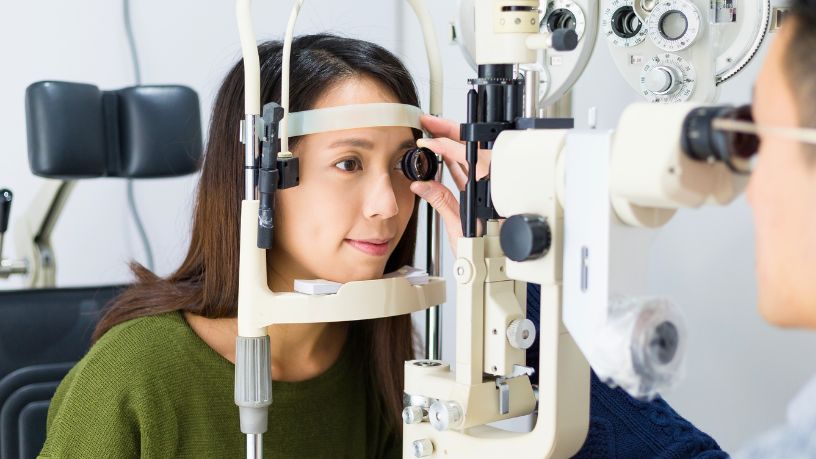
Getting to the optometrist every 2 years might not always be at the top of your mind, but did you know an eye check can detect more than just vision loss?

Cataracts: The basics
Cataracts become more common with age and can affect your vision over time. Learn how to spot the signs, understand your risk and explore treatment options.