By Blua Digital health by Bupa

7 minute read
Published 24 March 2026
Blua Digital health by Bupa
Blua is Bupa’s new home for digital health services like online doctor appointments and delivery of prescription items and over-the-counter goods.
By Blua Digital health by Bupa
When you’re pregnant, your baby’s well-being is likely at the heart of every decision.
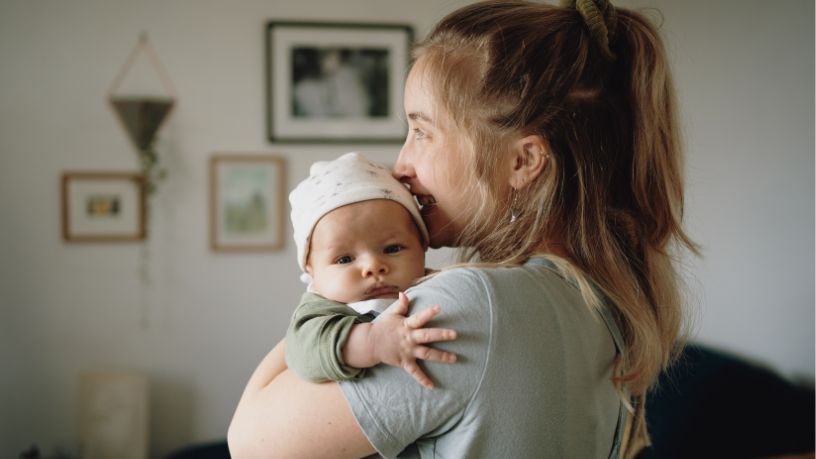
Staying up to date with essential vaccinations can help protect bub before birth and in the first few weeks of life, while also supporting mum’s health.
This is especially important during cold and flu season, when germs can cause serious complications during pregnancy.
Find out more about the vaccinations you can safely get during pregnancy to protect you and your baby when you need it most.
Changes to how the immune system responds during pregnancy can put you at a higher risk of illness from germs and viruses you would usually be able to recover from with no issues.
As the pregnant body adapts to the growing foetus, it doesn’t respond to invaders, such as a virus, the way it normally would. This means germs and bacteria pose a higher risk to the mum and baby of both getting sick and the risk of complications from the illness.1
Accessing appropriate vaccinations at the right time during pregnancy can help to reduce the risk of infection and serious illness for both mother and baby. Vaccinations are a simple, effective way to keep mum and baby protected.
If you are planning to become pregnant, talk to your GP about which vaccinations you might need in advance. Not all vaccinations are safe during pregnancy, and your doctor will be able to advise on what shots to get before conception. Vaccinations during pregnancy can help protect mother and baby during pregnancy and in the first few weeks of the baby’s life. Vaccinations recommended during pregnancy include:2
Although we mainly see influenza A and B in Australia, there are many different strains. Each year a vaccine is developed to help reduce the risk of contracting the most common strains that season. Being vaccinated also reduces your risk of serious illness if you do contract the virus and can also lessen the risk of others getting sick. Pregnant women are at a greater risk of serious illness if they contract the flu because of changes in immune and lung function. Serious risks to pregnant people and baby include:3
An influenza vaccine is the most effective way to protect mum and baby and is safe at any stage of pregnancy. As the vaccine antibodies are passed onto the unborn baby, the vaccine also helps protect the baby from health risks for the first six months of life.4
If you are pregnant, speak to your doctor. They will schedule your vaccinations at the time they are most effective for you and baby.
You may not be able to get all the necessary vaccinations at the same time. Let your doctor know if you have ever had any adverse reactions to vaccinations in the past.
At Bupa, trust is everything
Our health and wellbeing information is regularly reviewed and maintained by a team of healthcare experts, to ensure its relevancy and accuracy. Everyone's health journey is unique and health outcomes vary from person to person.
This content is not a replacement for personalised and specific medical, healthcare, or other professional advice. If you have concerns about your health, see your doctor or other health professional.
1 Kumar, M., Saadaoui, M., & Al Khodor, S. (2022). Infections and pregnancy: Effects on maternal and child health. Frontiers in cellular and infection microbiology.
2 Health Direct. (2025). Vaccinations and pregnancy.
3 Yudin M. H. (2014). Risk management of seasonal influenza during pregnancy: current perspectives. International journal of women's health.
4 NSW Health. (2024). Influenza information for pregnant women.
5 Healthline. (2023). What to know about RSV and pregnancy.
6 Department of health, disability and ageing. (2025). Immunisation for pregnancy.
7 Australian Government Department of Health. (2024). COVID-19 vaccination: Shared decision-making guide for women who are pregnant, breastfeeding or planning pregnancy.
8 Australian Technical Advisory Group on Immunisation (ATAGI). (2024). COVID-19 vaccination: Guidance for pregnancy and breastfeeding.
9 Royal Australian and New Zealand College of Obstetricians and Gynaecologists. (2023). COVID-19 vaccination in pregnancy.
The best way to protect yourself and your unborn baby from flu is to get vaccinated. We answer some common questions with the help of Dr Janice Tan.
Chest infections (like bronchitis and pneumonia) can affect anyone at any age. We asked a GP what you can do to ease your symptoms at home.
A bad case of flu can lead to complications, and one of the most concerning is pneumonia. Find out what pneumonia is, the symptoms, and how it’s treated.
The flu is highly contagious and more serious than a common cold. Find out how the flu works, the common symptoms and what you can do to reduce your risk.
Bupa acknowledges and shows respect to the Traditional Custodians of Australian land. We pay our respects to Elders past and present and recognise their cultural heritage, beliefs, and continuing connection to land, waters, and community. We embrace their knowledge on how to protect and nurture these lands, and all they contain, to keep this country and people healthy.