Pneumonia is an infection triggered by bacteria or viruses, such as influenza, that can cause inflammation in one or both lungs.
By Blua Digital health by Bupa

By Blua Digital health by Bupa
Pneumonia is an infection triggered by bacteria or viruses, such as influenza, that can cause inflammation in one or both lungs.
It can cause life-threatening illness, particularly in babies, young children and people aged over 70 years.
There are vaccinations available to help reduce the risk of some types of pneumonia.
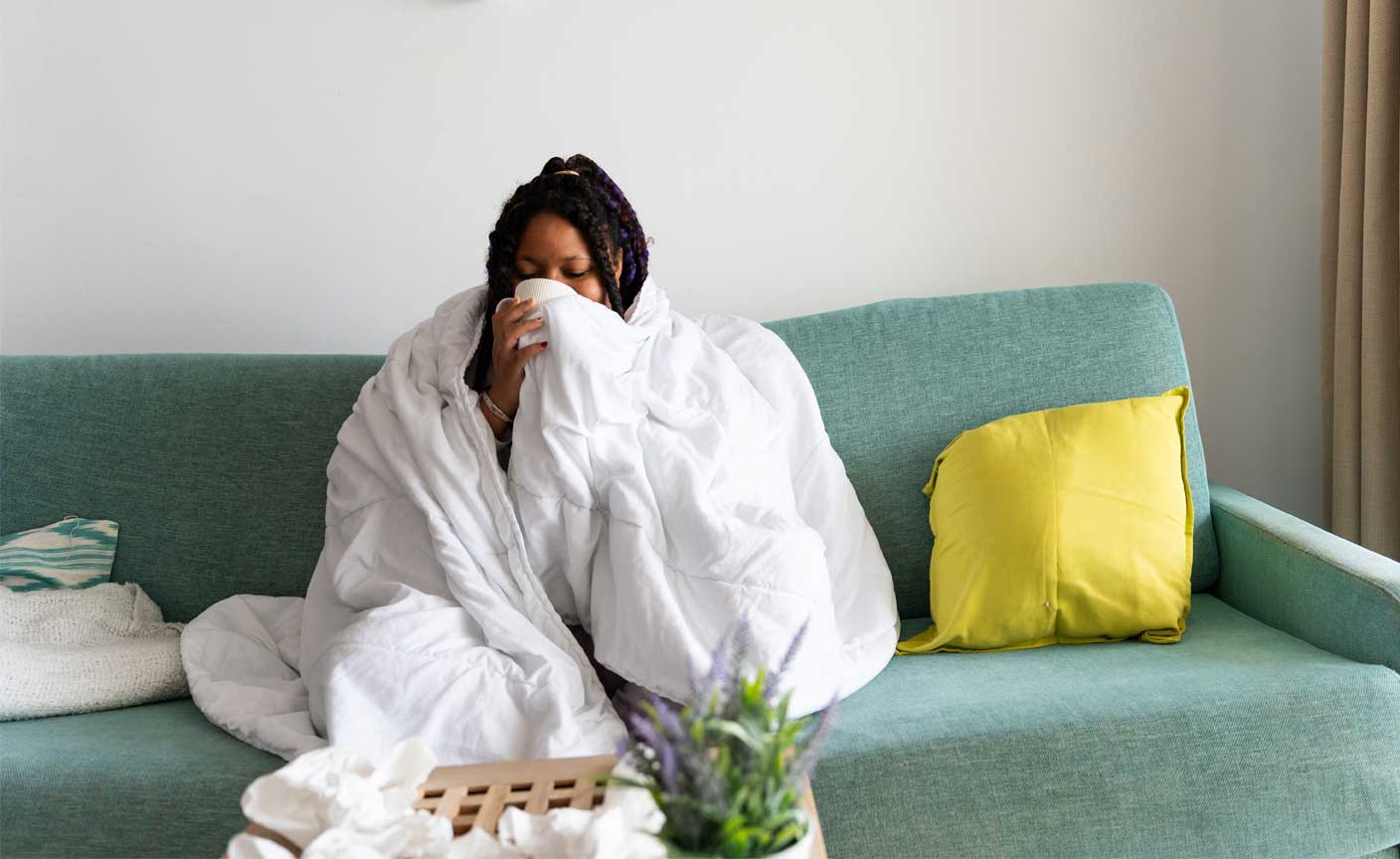
It might have started off as a bout of the flu, but now you have a cough that won't go away, a fever and shortness of breath. Not only that, when you cough (and that's often), you feel a sharp pain in your chest.
These are some of the symptoms you can experience when you have pneumonia. Anyone of any age can contract pneumonia, a common lung infection that can become life-threatening.
Babies, children, people over 70 years of age, people with underlying health conditions or compromised immune systems, and Aboriginal or Torres Strait Islander people are at higher risk.1
Pneumonia is an infection, triggered by bacteria or a virus, that causes inflammation (swelling) in one or both lungs. When you have pneumonia, the air sacs (alveoli) in your lungs fill with fluid, making it difficult to breathe.
There are many types of pneumonia, the most common being:
This is caused by viruses, such as the influenza (flu) virus, respiratory syncytial virus (RSV) and SARS-CoV-2, the virus that causes COVID-19. It is estimated that half of pneumonia cases are caused by viruses.
Pneumococcal disease is a severe, potentially fatal form of pneumonia caused by the bacterium Streptococcus pneumoniae, and results in the deaths of about 1.6 million people around the world each year.2 Other types of bacteria that can cause pneumonia are Haemophilus influenzae and Moraxella catarrhalis.
Sometimes called 'walking' pneumonia, this generally milder pneumonia is caused by the bacterium Mycoplasma pneumoniae. It is most common in children aged 5 to 15 years.3
Other organisms, such as fungi, can cause pneumonia if spores are inhaled, particularly in people with compromised immune systems.
Symptoms can range from feeling as if you have a bad cold or flu to feeling intensely unwell, depending on the type of infection, your age and overall health. You may have pneumonia if you have cold or flu symptoms that become worse over time instead of improving.
Symptoms can include:4
Older people may also become confused or disorientated.
Difficulty breathing, a persistent fever, chest pain and coughing up thick mucus are all indications that it's time to see your doctor.
High-risk groups, such as babies, young children, and those with compromised immune systems and/or health conditions should seek prompt medical help if they have these symptoms.
The risk of contracting pneumonia also increases in people aged 70 or over. Regardless of how healthy and active we are, our immune systems naturally weaken as we age, which means fighting off infections is more difficult.
Blood tests and a chest X-ray may be used to diagnose pneumonia in addition to your doctor examining you.
Treatment depends on the type of pneumonia, age and other health factors.3 These include:
Viral pneumonia cannot be treated with antibiotics and usually clears up by itself.
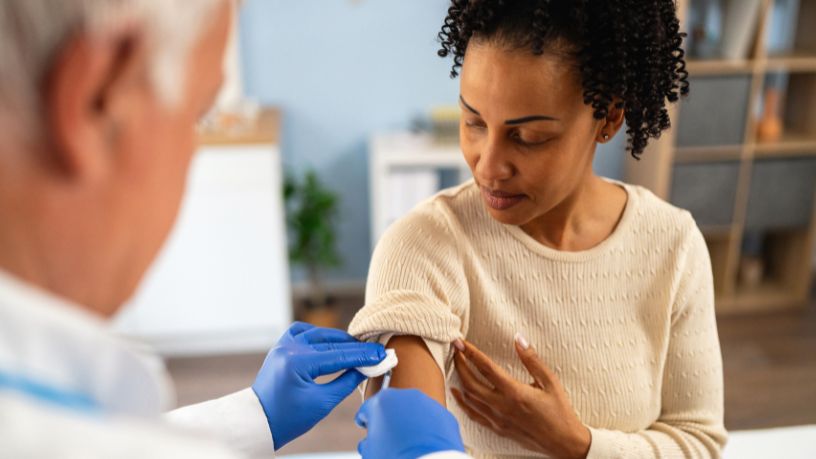
Pneumonia can be spread though breathing in infected droplets in the air when an infected person coughs or sneezes. Vaccinations, such as the influenza vaccine and pneumococcal vaccine, can reduce the risk of some types of pneumonia.
Some simple steps you can take to help protect yourself from pneumonia include:
While there's no fail-safe way to prevent pneumonia, getting your annual flu shot and pneumococcal vaccine (if recommended), practising good hygiene, and maintaining a healthy lifestyle may help you to stay well in the winter months.
Blua Digital health by Bupa
Blua is Bupa’s new home for digital health services like online doctor appointments and delivery of prescription items and over-the-counter goods.
At Bupa, trust is everything
Our health and wellbeing information is regularly reviewed and maintained by a team of healthcare experts, to ensure its relevancy and accuracy. Everyone's health journey is unique and health outcomes vary from person to person.
This content is not a replacement for personalised and specific medical, healthcare, or other professional advice. If you have concerns about your health, see your doctor or other health professional.
1The Royal Children’s Hospital Melbourne. (2018). Kids Health Info Pneumonia. The Royal Children’s Hospital Melbourne
2Lung Foundation Australia. (2025). Pneumonia Respiratory Infections. Lung Foundation Australia.
3Mayo Clinic (2023). Walking pneumonia: What does it mean?. Mayo Clinic.
4Healthdirect. (2023). Pneumonia. Healthdirect.
5Australian Government, Department of Health and Aged Care. (2022). Pneumococcal vaccine. Australian Government.
Your annual flu jab can help reduce your risk of catching the virus and lower the severity of your symptoms if you do get it. Find out how it works.
The flu is highly contagious and more serious than a common cold. Find out how the flu works, the common symptoms and what you can do to reduce your risk.
Chest infections (like bronchitis and pneumonia) can affect anyone at any age. We asked a GP what you can do to ease your symptoms at home.
Bronchitis is a viral chest infection which can be quite common during cold and flu season. Learn about the symptoms and how you can treat it at home.