By Katherine Chatfield Writer

9 minute read
Published 11 February 2026
Temporary use of Ibuprofen and paracetamol can be a good way to get through a flare-up and allow you to keep moving.
“They allow you to engage in other strategies, such as movement, that support long-term recovery.”
Heat and cold therapies are widely recommended for back pain.2
“These therapies can be good to help give some relief during an initial flare-up,” says Dan.
Katherine Chatfield Writer
Katherine is a journalist who specialises in jargon-free health and lifestyle content.
By Katherine Chatfield Writer
Back pain can feel worrying if it’s something you haven’t experienced before. But it’s common; between 70 and 90 per cent of Australians experience back pain at some point in their lives.1
Here’s how to deal with a first bout of back pain.
If you have new back pain, there are a few things to ask yourself.
“Although back pain can feel severe, it rarely means there’s anything seriously wrong,” says Master of Advanced Clinical Physiotherapy at Adelaide University, and physiotherapist at More Good Days, Dr Dan Harvie.
“It’s worth checking in to make sure there’s nothing else at play, though.”
Dan recommends asking yourself:
If so, you need to go and see a doctor immediately.
If none of these things apply, check in with yourself and ask: Do I have the tools to manage this myself, or do I need to find support to understand it?
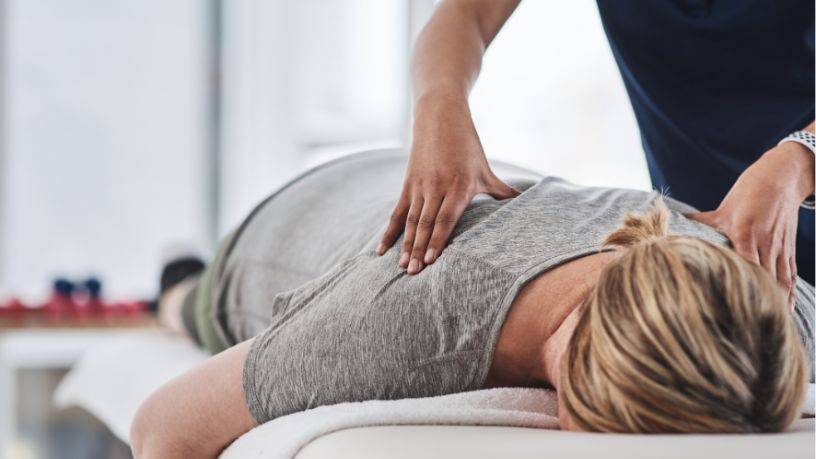
If you’re experiencing back pain for the first time, it's a good idea to get advice from an expert.
“Your GP or a physiotherapist are both great options,” says Dan.
“Physios in Australia are first contact practitioners. They're trained to diagnose and manage problems such as back pain without a referral. However, physios can’t prescribe medication.”
“If you’re experiencing your first episode of back pain, it can be worth seeing a doctor first. They can talk to you about pain medication. This can help you get through that initial stage where there can be a lot of pain and difficulty moving.”
“Pharmacists can be great at providing simple advice in the short term,” adds Dan. “They can't prescribe everything a doctor can, but can give very helpful advice.”
“The key thing with an episode of back pain is to make sure you don't end up in a cycle where resting and taking medications is your only recovery strategy,” says Dan.
“This means you'll lose fitness and resilience. Keeping engaged with life and work is really important. You need to find the tools so you can keep moving.”
The best treatment combines movement, education, and support for your nervous system through sleep and psychological tools.
These tools can help relieve back pain:
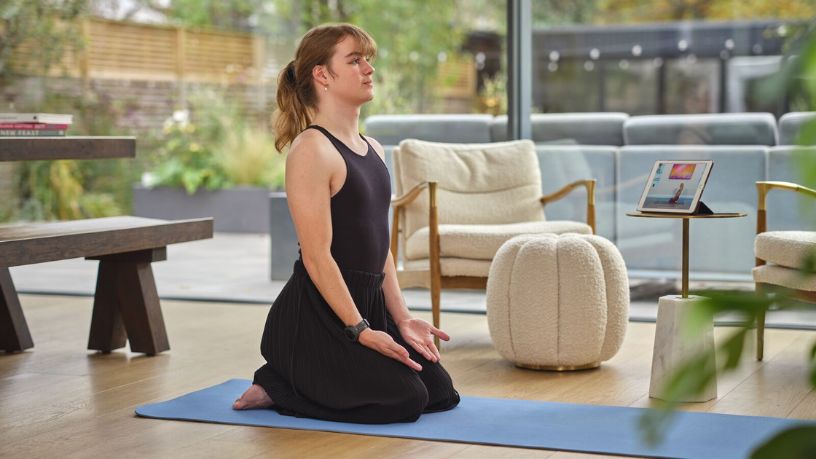
Staying physically active is proven to help keep recurring back pain at bay.3
“Movement be frequent and often,” says Dan. Sitting for long periods of time isn’t recommended; many people report tighter and more painful muscles after long periods of sitting.”
“You don’t want to be ‘Boom Buster’ and push throughout the pain, but there’s a happy medium where you keep moving at the right pace in order to rebuild your confidence and resilience.”
Sleep is a really important part of managing pain and healing. It’s believed that a lack of sleep can trigger cellular pathways in the brain and body, leading to inflammation that, in turn, can heighten pain responses.4
“A good night’s rest is so important,” says Dan. “Comfort is king, so rather on focusing on lying in the ‘right’ position, find one that’s comfortable. Lots of people find lying on their side with a pillow between their legs, or on their back with a pillow under their knees can be a good way to get some sleep.”
“A holistic approach is really important to easing back pain,” says Dan. “Recovery is your body’s job, and supporting your general health and immune system can help with that.”
“There’s a real relationship between stress, nutrition and the immune system5; all these things can drive healing.”
MoreGoodDays® at home back pain program is a science-backed back pain management and recovery program from the comfort of home. It provides chronic pain management through science-backed at-home programs that include education and guidance from physiotherapists and psychologists.
My Back Pain has online resources on back pain and how to manage it.
At Bupa, trust is everything
Our health and wellbeing information is regularly reviewed and maintained by a team of healthcare experts, to ensure its relevancy and accuracy. Everyone's health journey is unique and health outcomes vary from person to person.
This content is not a replacement for personalised and specific medical, healthcare, or other professional advice. If you have concerns about your health, see your doctor or other health professional.
Learn what causes back pain, how to recognise symptoms, and your options for relief.
Back pain can affect anyone. Here’s how to manage it easily and effectively.
Not sure if you need physiotherapy? Discover the key signs it's time to see a physio and what to expect at your first appointment.
These simple physio-led posture exercises can help relieve back and neck pain, improve alignment and support your core.
1 Australian Commission on Safety and Quality in Health Care. (2021, May 5). Action on low back pain.
2 Journal of Bodywork and Movement Therapies (2024) Importance of heat therapy in the treatment of pain in the daily clinical practice Journal of Bodywork and Movement Therapies
3 Institute for Quality and Efficiency in Health Care (IQWiG) (2025) Low back pain: Learn More – Why movement is so important for back pain
4 Irwin, M. R., Olmstead, R., Carroll, J. E., Cole, S. W., & Breen, E. C. (2023). Experimental sleep disruption increases inflammation and pain sensitivity in healthy adults: A randomized clinical trial. Brain, Behavior, and Immunity, 108, 183–193.
5 Journal Clinical Medicine (2024) Immunology of Stress: A Review Article. Journal Clinical Medicine