Acute back pain comes on suddenly and lasts for less than 3 months. Chronic back pain lasts more than 3 months.
By Katherine Chatfield Writer

By Katherine Chatfield Writer
Acute back pain comes on suddenly and lasts for less than 3 months. Chronic back pain lasts more than 3 months.
One in 6 Australians experiences chronic back pain.
Back pain is most effectively treated in a holistic way, looking at movement, stress and sleep management.
If you think back pain is just for older people, think again.
One in 6 Australians has back pain lasting for more than 3 months.1 Back pain is the second most common reason for GP visits and is the leading cause of productivity loss for employers.2
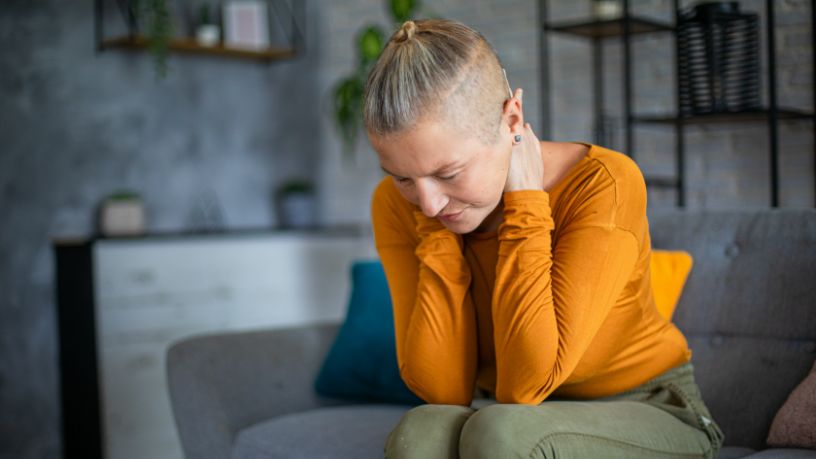
For some people, back pain can feel like a dull ache or stiffness. For others, it can feel sharp or like the back is seizing up.
Acute back pain usually lasts a short time and often has a clear cause, such as an injury. For many people, acute back pain will improve within a few weeks.
If back pain is persistent and lasts for 3 months or longer, it's described as chronic back pain.
If you are experiencing back pain, it’s a good idea to speak with your GP to help you determine the cause. In many cases, there may not be an identifiable cause, and this is known as “non-specific back pain”.
Research consistently shows that a multifactorial approach is the most effective when treating back pain.
“That means addressing the whole person, not just one part of the problem,” says Neala Fulia, CEO of at-home pain program More Good Days.
Treatment should include combining movement, education, and supporting your nervous system with sleep and psychological tools.
Here’s how to treat your back pain at home:
Staying physically active is proven to help keep recurring back pain at bay.4
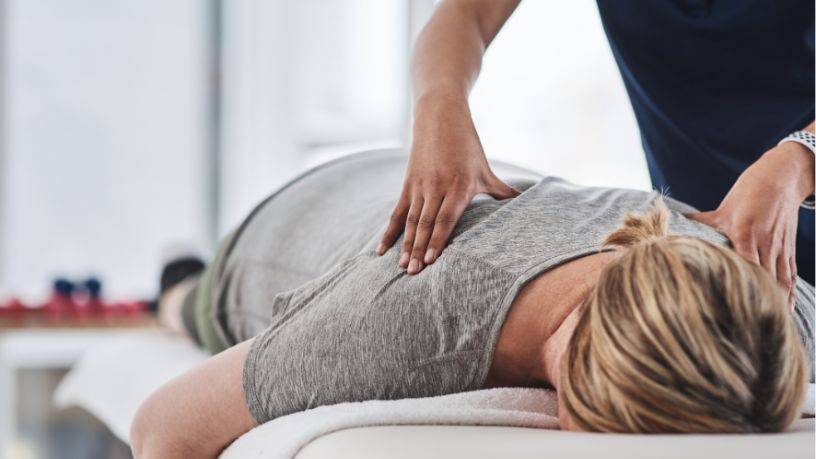
It’s important to speak with a healthcare professional like a GP, physiotherapist or exercise physiologist before engaging in exercise to ensure it's appropriate for you.
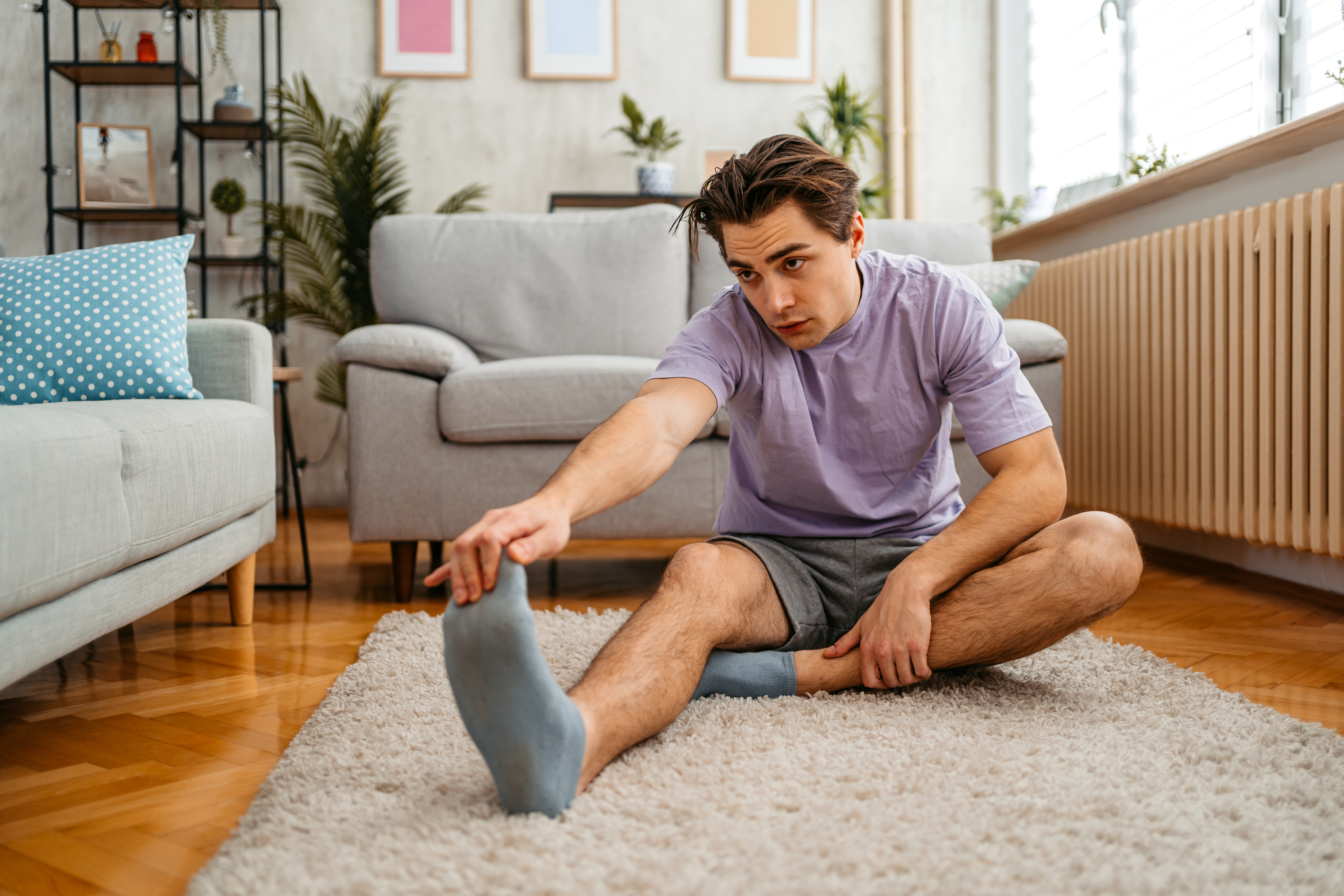
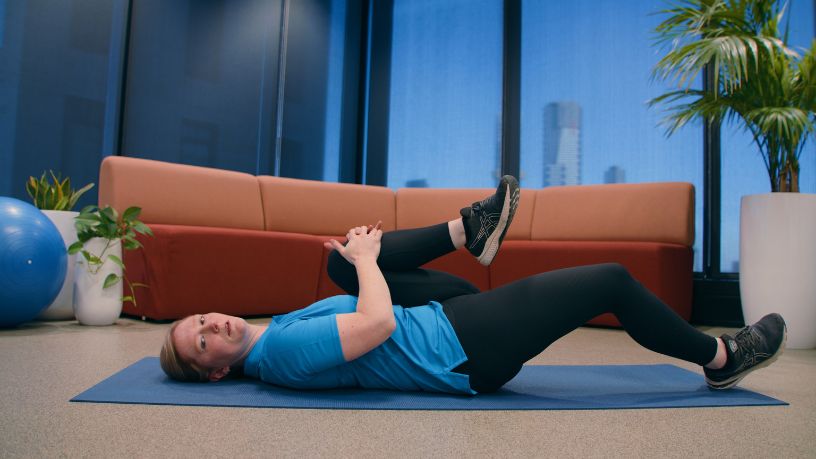
If simple movement is okay for you, try to move frequently and often. Moving your body by regularly changing positions, shifting from standing and sitting, walking around, and stretching can help manage pain. Your ability to move will depend on the level of back pain you are experiencing.
Research shows resistance training is effective for managing non-specific lower back pain.5
Resistance training makes your muscles work against a weight or force to build strength.
Sleep is an essential part of managing pain. Pain can make it harder to sleep, but short or disturbed sleep can also lower pain thresholds and increase pain.6
“People often report that poor sleep makes pain feel louder and harder to cope with,” says Neala.
It’s believed that a lack of sleep can trigger cellular pathways in the brain and body, leading to inflammation, which, in turn, can heighten pain responses.
It’s important to practice good sleep hygiene, such as getting enough sunlight, exercising early in the day, eating well and avoiding screens, alcohol and caffeine too close to bedtime.
Some people find meditation can help with pain and allow you to get a better night’s sleep.
Heat and cold therapies are widely recommended for back pain.7
“Some people find infrared saunas or heat packs really helpful for muscle pain and stiffness, while others swear by cold packs,” says Neala.
Heat therapy is an effective treatment for lower back pain, but further research is needed to demonstrate the benefits of cold therapy.7
Depending on the severity and cause of your pain, your doctor may prescribe or recommend over-the-counter pain medications to help relieve your pain.
“We encourage our patients to talk to their doctor about what pain relief is appropriate for them, in addition to other strategies that support long-term recovery, such as movement and stress management,” says Neala.
Pain psychology approaches such as cognitive behavioural therapy (CBT) or mindfulness-based approaches for pain can be really beneficial.
CBT helps you change how you think and behave when in pain,8 and mindfulness can help you manage your thoughts and feelings, which can affect your pain.9
MoreGoodDays® at home back pain program provides weekly one-on-one sessions with experienced chronic pain clinicians, such as a physiotherapist and a psychologist who work together to guide you through your recovery.

My Back Pain has online resources on back pain and how to manage it.
Katherine Chatfield Writer
Katherine is a journalist who specialises in jargon-free health and lifestyle content.
At Bupa, trust is everything
Our health and wellbeing information is regularly reviewed and maintained by a team of healthcare experts, to ensure its relevancy and accuracy. Everyone's health journey is unique and health outcomes vary from person to person.
This content is not a replacement for personalised and specific medical, healthcare, or other professional advice. If you have concerns about your health, see your doctor or other health professional.
1 Australian Institute of Health and Welfare. (2016). 1 in 6 Australians have chronic back problems.
2 Australian Journal of General Practice. (2024). Best practice care for acute low back pain: A new clinical standard to assist general practitioners.
3 Healthdirect Australia. (n.d.). Back pain.
4 Institute for Quality and Efficiency in Health Care. (2025). Low back pain: Learn more – Why movement is so important for back pain.
5 Johansson, S., Häggström, E., & Nilsson, I. (2025). Disability and Rehabilitation. [Article on rehabilitation and back pain].
6 Qaseem, A., Wilt, T. J., McLean, R. M., & Forciea, M. A. (2017). Noninvasive treatments for acute, subacute, and chronic low back pain: A clinical practice guideline. Annals of Internal Medicine, 166(7), 514–530.
7 Medical News Today. (n.d.). Ice or heat for back pain: Which is better?
8 Royal Australian College of General Practitioners. (n.d.). Cognitive behavioural therapy for chronic low back pain.
9 Royal Australian College of General Practitioners. (n.d.). Mindfulness for chronic low back pain.
Not sure if you need physiotherapy? Discover the key signs it's time to see a physio and what to expect at your first appointment.
Learn what causes back pain, how to recognise symptoms, and your options for relief.
Sore lower back? These 5 simple physio-approved stretches can help ease pain and release tension at home.
For those living with chronic pain, poor sleep usually comes with the territory. But it doesn’t have to. Learn how to break the cycle.