

By Tracy McBeth Writer
On this page
Key takeaways
- Anxiety at night can have a big impact on your sleep, daily life and overall health.
- Strategies like meditation, breathing exercises, and consistent sleep hygiene may help calm your mind.
- If anxiety at night persists, see your GP or a psychologist to help you manage it effectively.
When your head hits the pillow, sometimes your brain switches on instead of off.
If you experience anxiety, it’s common for worries and problem-solving thoughts to creep in at bedtime, making it hard to get a good night’s sleep.
Most people experience anxiety at night every now and then, and it usually passes.
But if it keeps happening or starts to get worse, it’s a good idea to see your doctor and/or a psychologist.
Why do our problems seem so much worse at night?
In the quiet of the night, with fewer distractions, our minds may have more opportunity to focus inward, says Bupa Mindplace psychologist Felicity Burgmann.
A combination of mental, physical and environmental factors often contributes to problems feeling more overwhelming at night.
“A lack of external stimuli can amplify worries and negative thoughts for some, particularly if efforts are made throughout the day to avoid this internal chatter,” says Felicity.
“The natural dip in certain neurotransmitters like serotonin and dopamine during the night can affect mood regulation and in turn, sleep,” she says. “Fatigue also lowers our cognitive resilience, reducing our ability to reframe or cope with stress effectively.”
“This combination of factors often causes problems to feel more overwhelming at night.”
What is anxiety at night?
If you experience anxiety at night, you may have feelings of fear, worry or dread which can affect your ability to rest.
Your anxiety may stem from multiple factors like everyday stress, money or work. Even the fear of not being able to fall asleep can cause anxiety, and so the sleepless cycle begins.
Symptoms often feel more intense at night when you’re struggling to sleep and may include racing thoughts, a rapid heartbeat, sweating, shortness of breath, dizziness, trembling, or even flashbacks of a traumatic event.
“This sleep disruption can create a vicious cycle where lack of restorative sleep heightens anxiety symptoms the next day.”
What causes anxiety at night?
Anxiety at night can have many triggers.
A lack of sleep, stressful life events, or recent trauma can all make anxious thoughts harder to manage. Your genes, or even certain medications, may also play a role.
If you’re worried medication could be contributing, it’s best to check in with your GP.
How can you reduce anxiety at night?
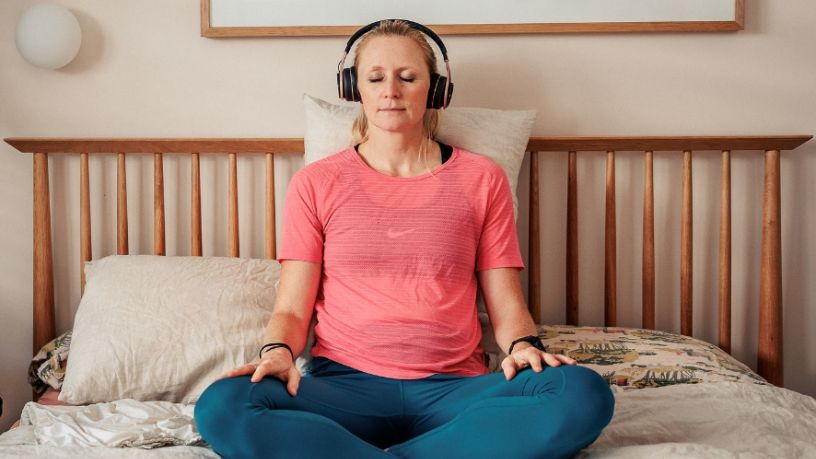
There are ways to soothe your nervous system via belly breathing and sleep meditations, says Felicity.
“These strategies will regulate the nervous system and help reduce the physiological and psychological intensity of anxiety and can improve the ability to fall back asleep.”
Here are a few things you can try:
- Breathing exercises: Diaphragmatic breathing helps activate the parasympathetic nervous system, calming the body.
- Sleep meditations: These can help calm the mind and relax the body by guiding focused breathing, soothing thoughts, and reducing stress, promoting more restful sleep.
It can be helpful to recall times when you managed anxiety well.
What treatments might your doctor suggest for anxiety at night?
Treatment options vary depending on the severity and type of anxiety but commonly include:
Cognitive Behavioural Therapy (CBT) to help identify and change negative thought patterns and behaviours; mindfulness, relaxation techniques, sleep hygiene education and/or prescription medication.
“Practices like mindfulness, meditation and progressive muscle relaxation are often recommended,” says Felicity. “For complex sleep difficulties, your GP may refer you to a specialist sleep clinic for further assessment and treatment.”
How does a lack of sleep affect daily life?
Anxiety at night may lead to insomnia, which can have a big impact on your daily life.
Sleep loss can lead to difficulty concentrating or remembering things, irritability or mood swings, getting sick more often, struggling at work or school, and even a higher risk of developing depression.
“Sleep is a pillar to health and is essential for functioning well in life,” says Felicity.
“Targeting anxiety and improving sleep hygiene are critical for daily functioning and improving your quality of life.”
Keeping regular sleep and wake times, creating a dark and quiet bedroom, and limiting distractions before bed can make a big different to your overall quality of life.

Want to talk to a psychologist?
Backed by Bupa, Mindplace psychologists provide tailored support, in-person and online.
Tracy McBeth Writer
Tracy is a journalist with a passion for promoting good health, both mentally and physically.

At Bupa, trust is everything
Our health and wellbeing information is regularly reviewed and maintained by a team of healthcare experts, to ensure its relevancy and accuracy. Everyone's health journey is unique and health outcomes vary from person to person.
This content is not a replacement for personalised and specific medical, healthcare, or other professional advice. If you have concerns about your health, see your doctor or other health professional.
Sleep Foundation, Anxiety and sleep, July 2025
You might also like

Sober Curious: 5 ways to change your relationship with alcohol
Being sober curious means questioning your relationship with alcohol.

How diet affects your sleep
What you eat and drink during the day can have a big impact on how well you sleep at night. So how exactly does your diet affect your sleep?
Bedtime meditation: The benefits to health and sleep
If you have a hard time falling asleep, meditating before you head to bed could help relax your body and mind. So how does it work?

Hack your anxiety: 5 science-backed ways to help find calm now
Getting help for anxiety is important. Here are some ways to help manage your anxiety at home.