
By Blua Digital health by Bupa
On this page
Key takeaways
- Smoking increases the bad cholesterol in your blood and decreases the good cholesterol, putting you at greater risk of heart disease and stroke.
- If you smoke, you are up to 4 times more likely to develop heart disease and twice as likely to have a stroke.
- Speak to your GP today about how to quit smoking.
Smoking is bad for your health on many fronts. As well as a risk factor for lung disease and some cancers, smoking increases your risk of heart disease.1
One of the reasons for this is that smoking increases the amount of bad cholesterol in your blood.
How smoking impacts cholesterol
Chemicals found in cigarette smoke have an impact on the cholesterol in your body, including2:
- Lowering the good HDL cholesterol in the blood that helps prevent fatty build up.
- Increasing the bad LDL cholesterol that can lead to plaque that clogs and narrows arteries.
“Smoking makes your LDL cholesterol, which is the bad one, stickier and can cause it to cling to your arteries more easily, which is going to clog them up quicker,” says Bupa Dietitian Talia Sparks.
“It also lowers your HDL, which is your good cholesterol. HDL acts like a sponge with LDL and helps clear it from your blood so we can remove it from your body. The less HDL you have, the less it’s able to take LDL away from the artery walls.”
The more clogged an artery becomes, the harder your heart has to work to pump blood, putting stress on your body and potentially leading to heart disease and compromised heart function.
If an artery becomes completely blocked, this can cause a heart attack.
“We also know that nicotine increases the stiffness of your blood vessels, making it harder for them to naturally expand and contract as they should be doing. This can lead them to split and cause a heart related event,” says Talia.
“It’s also important to note that second-hand smoke has a similar effect as first-hand smoke. So, the platelets in your blood can still become quite sticky simply as a result of being around smoking.”
Can the effects of smoking on cholesterol be reversed?
The good news is that as soon as you stop smoking, your health starts to benefit.
“Within a few hours of stopping smoking, your heart rate returns to normal,” says Talia.
“Within a few days the chemicals start to leave your blood, your breathing starts to become easier, and your sense of taste and smell can improve.
“While this might not directly impact your cholesterol, it could mean that you’re more likely to enjoy nutrient dense foods that have positive effects on overall health, rather than opting for sweet, salty, fatty foods.”
Simply by stopping smoking, your blood cholesterol levels should decrease quickly.
“Within a few weeks, your blood will become less sticky, and your risk of heart disease and heart attacks starts to fall from then.”
If someone were to test their blood cholesterol the day before they quit smoking, then again 4 weeks later, they should see a drop in LDL cholesterol, even if they made no other changes.
The more time you go without smoking, the bigger the health benefits.
“Within months, the blood flow improves around your body and within one year of quitting smoking, your risk of heart attack and stroke is halved.
“After 5 to 15 years of quitting, depending on the amount of smoking, your risk of stroke and heart disease is back to that of someone who's never smoked.”
How to quit smoking
If there was an easy way to stop smoking, we’d all know about it.
“It’s rare that smokers quit successfully the first time they try, and will often experience ‘slip ups’,” says Talia.
Luckily there are resources that can help.
Willpower
More than a third of smokers try willpower alone when trying to quit, but according to research it’s rarely a successful strategy.3 Having a plan of what to do when cravings strike can help on your path to success, says Talia.
She suggests trying the 4 Ds.
“This is one strategy that you can employ when you need it, and you might not even need to do all 4 steps.”
- Delay smoking for 5-15 minutes and see if the craving passes.
- Distract yourself with another task or a mindfulness exercise. “This can be effective if you focus on why you don’t want to smoke anymore,” says Talia. “Think about why you want to stop and what you’re trying to achieve, whether that’s lowering cholesterol or something else.”
- Drink a large glass of water or make a cup of tea to keep your hands busy. “I’d avoid coffee as that often goes hand-in-hand with smoking,” says Talia.
- Do something else like going for a walk, cleaning the house or another activity that works for you.
Quitline (13Quit or 13 78 48)
Free and confidential, Quitline and www.icanquit.com.au has multi-lingual counsellors, online resources and plans and programs designed to help make quitting smoking easier.
It will even help you calculate how much money you can save!
Nicotine replacement therapy (NRT)
In your pharmacy you’ll find a wide range of products including gum, patches and inhalers that may reduce your cravings and help make quitting smoking easier. Discuss the best option for you with your GP or pharmacist.
Prescribed medications
Only available from your GP, prescribed medication may be able to help you quit smoking, particularly when combined with other techniques.
Get chemist delivery
Bupa health insurance members can have prescriptions filled by local chemists and get them delivered to their door by registered couriers. You can also order over-the-counter goods. Delivery address must be within 8km of a participating pharmacy.
Blua Digital health by Bupa
Blua is Bupa’s new home for digital health services like online doctor appointments and delivery of prescription items and over-the-counter goods.
At Bupa, trust is everything
Our health and wellbeing information is regularly reviewed and maintained by a team of healthcare experts, to ensure its relevancy and accuracy. Everyone's health journey is unique and health outcomes vary from person to person.
This content is not a replacement for personalised and specific medical, healthcare, or other professional advice. If you have concerns about your health, see your doctor or other health professional.
1Health Direct. (2024). Quitting smoking and vaping. Australian Government.
2CDC. (2025). Smoking and heart disease, stroke, and peripheral artery disease. USA Government.
3Jackson SE, Brown J, Buss V, Shahab L. Prevalence of popular smoking cessation aids in England and associations with quit success. JAMA Netw Open. 2025;8(1):e2454962. doi:10.1001/jamanetworkopen.2024.54962
You might also like

10 ways to turn your health kick into a habit
If you’ve set yourself some personal goals this year, these tips could be the inspiration you need to start making a positive long-term change in your life.

6 tips to help you quit smoking
Thinking about quitting smoking, or looking for help to kick the habit? We share 6 strategies to help you quit with Dr Chelsie McMullin.

Smoking: The immediate health benefits of quitting
When you decide to stop smoking, your health and wellbeing begin to improve almost immediately. So, what happens to your body when you quit?
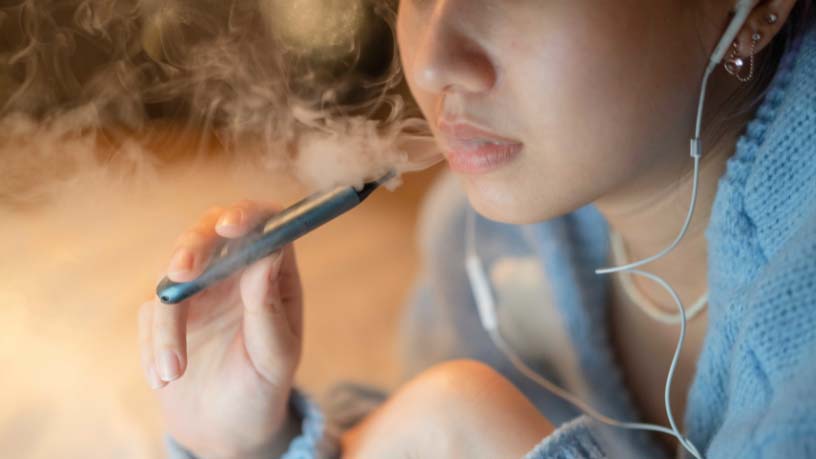
The truth about vaping
Convinced that vaping is a better choice than smoking? Read up on the risks and you might change your mind.