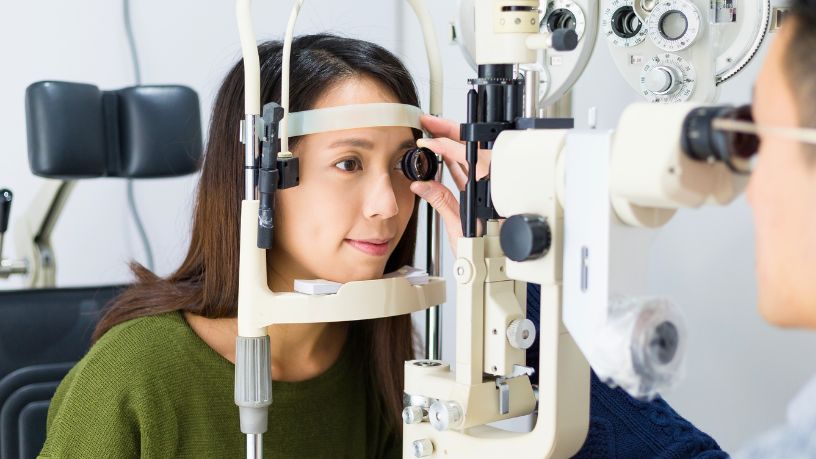
Discover the benefits (to your time, health and finances) of getting more from your GP.
By Tracy McBeth Writer

By Tracy McBeth Writer
Discover the benefits (to your time, health and finances) of getting more from your GP.
Be prepared so you can avoid common mistakes people make with their visits.
Maximise your appointments with 9 tips for getting the most out of your next check-up.
It can be hard enough just getting an appointment with your GP, so it’s important to make the most of it once you’re in the door.
Here, we share 9 simple but effective tips to maximise every valuable minute you spend in the doctor’s office.
The relationship you have with your GP is important, and visiting the same doctor for a long period is generally a good sign that things are working well. In time, you might even develop a kind of shorthand to maximise your time.
Having a regular GP also means that they know you and your medical history, so they can make faster assessments about what might best work based on you and your lifestyle.
On the flipside, when you bounce from GP to GP, you’ll likely find that a good amount of their time is spent on getting to know you and your health history, all before they can even get to what brought you in.
It’s worth investing time to find a GP who you trust, can open up to and feel comfortable getting physical examinations from.
This is a simple one, but also a common mistake. Time is precious, especially if it’s condensed into 15-minute blocks. So, if you have multiple health concerns, or you’re after a physical or mental health check-up, make sure you book in a longer appointment.
If you’re unsure about how long you might need with your GP, talk to their receptionist about your health needs when you’re making the booking. They can let you know whether a longer appointment is needed.
Have you ever left a doctor’s appointment only to realise that you’d forgotten to ask an important question or discuss another health concern?
It pays to come in prepared with a list of symptoms or concerns you want to go over during your appointment. It might help to list these in order of priority, so you can talk about the most pressing issues first.
Make sure you provide detailed information about your symptoms, including when they started, how they have progressed and what factors, if any, make them better or worse.
It can also help to list down your allergies and current medications, including vitamins and supplements.
It’s not always easy to talk openly about things like drinking, smoking, drugs, eating and exercise. But your GP’s role isn’t to judge you, it’s to help treat and improve your health and wellbeing.
It can make your GP’s role harder if they don’t have a full picture of you. So, don’t be afraid to be honest with them and discuss exactly what’s going on.
There can be a lot to take in when you’re speaking to your doctor. So, bringing a notepad and pen to write everything important down can make a huge difference.
It might also be useful to record your doctor’s appointment using your smartphone, so you can listen to it later to refresh your memory. This may help you remember important details and instructions. Just make sure you ask your doctor first.
If you’re unsure about something your doctor says during a check-up, such as a diagnosis, medication side effect or detail about a test, don’t be afraid to ask questions or get them to explain it to you again. Your GP is there to help, and there’s no such thing as a stupid question in their office.
Your family medical history can give your doctor important clues about you and your health. So, wherever possible, it helps to find out more about it.
If a family member had cancer, for example, you might ask them or another family member about the age of that person’s diagnosis, the type of cancer and treatments they had.
If you need another appointment, book it in before leaving the clinic. This will ensure a continuity of care and allow your GP to monitor your progress or adjust your treatment plan as needed.
Prevention is better than a cure. So, if it’s been a while between GP visits, book yourself in for a general check-up.
GPs often run preventive health checks depending on your age, gender and lifestyle.
During the check-up, your doctor will look at your risk factors for future health problems, and may screen you for diseases in their early stages.
Remember, this is your time and health. Taking control and getting the most out of your GP appointment will hopefully reduce the number of visits you need make, boosting the benefit to your health and wellbeing.

Tracy McBeth Writer
Tracy is a journalist with a passion for promoting good health, both mentally and physically.
At Bupa, trust is everything
Our health and wellbeing information is regularly reviewed and maintained by a team of healthcare experts, to ensure its relevancy and accuracy. Everyone's health journey is unique and health outcomes vary from person to person.
This content is not a replacement for personalised and specific medical, healthcare, or other professional advice. If you have concerns about your health, see your doctor or other health professional.
Accessing a specialist doctor in Australia is more straightforward than you might think, but it’s important to be prepared.
Genetic testing could help you understand your risk of developing a range of health conditions. So how does it work?
Getting to the optometrist every 2 years might not always be at the top of your mind, but did you know an eye check can detect more than just vision loss?
Being sober curious means questioning your relationship with alcohol.