

By Sara Mulcahy Writer
On this page
Key takeaways
- Walking helps burn calories and supports fat loss.
- Regular walking can reduce stress and boost your mood.
- Pairing walking with a healthy diet gives the best weight loss results.
There’s no denying that walking is good for you. Making a regular walk part of your routine will help you burn calories, develop muscle and reduce fat.1 It’s also good for your heart, your bones and your mood!
Best of all, it’s something that almost all able-bodied people can do, and the only equipment you need is a comfortable pair of shoes.
But will you lose weight just by walking? Well, that depends on how you do it.
How to walk your way to weight loss
Walking is a key part of a weight loss plan, but a slow shuffle to the shops isn’t going to change your life overnight.
While any kind of walking is beneficial, you need to amp up the effort if you want to see results.
“Walking assists with burning calories, improving your metabolism and can help reduce the stress hormone called cortisol,” says Rachael Kent, an exercise physiologist with Exercise and Sports Science Australia (ESSA). “It will also support fat loss due to the intensity of it, which is the secret.”
Pick up the pace to walk off the weight
The faster you walk, the more calories you burn. Steady-paced walking burns more calories than standing still, and a brisk walk will burn more than a slow one, because higher intensity exercise requires more energy.
But there’s a catch.
“Walking faster burns more calories overall, but the energy comes more from carbohydrates than fat,” says Rachael. “For sustained fat loss, total calories burned, and being in a calorie deficit, is what matters most.”
Walking up hill burns more calories
Walking uphill is harder, and will increase the total calories burnt over a given period of time. It also improves your cardiovascular health and is more challenging for the muscles.
“This is all about intensity!” says Rachael. “I encourage both hills and flats, as just walking up hills can put an increased load on your knees and ankles, which is not always appropriate, depending on any injuries or niggles.”
Take weights on your walk
Power walking with weights didn’t stop in the 1980s, just ask Kath and Kel!
Walking with dumbbells, ankle weights or a weighted vest is a great way to up the resistance and burn more calories when walking. But make sure it’s right for you.
“Exercise physiologists see a lot of people with low back pain and other injuries, so we often encourage people just to walk without trying to get more loading out of it,” says Rachael.
“Weight vests can be irritating to some back conditions and other joint injuries. It's best to consult a professional to see if this is appropriate for you.”
Add some resistance bursts
All around Australia you’ll find exercise equipment in parks, on foreshores, and in open public spaces.
“If your walking path includes this, then have a go,” says Rachael. “Including some harder movements such as compound exercises is going to make you stronger.”
“This will help you increase your walking speed, distance and/or frequency, and reduce your risk of injury.”
Combine walking with a healthy diet
“Walking combined with a healthy diet will give you the best results,” says Rachael. Walking burns the calories, while a healthy diet provides the fuel and nutrients to support weight loss and prevent weight gain.
Enjoy the mental health benefits of walking
Make walking a regular part of your daily life and you’ll reap mental and emotional health benefits2 along with the physical. Walking releases endorphins, which can improve your mood, and reduce stress, anxiety, and symptoms of depression.
It can also:
- Boost cognitive function including problem-solving skills and memory.
- Improve sleep quality.3
- Increase energy levels and reduce feelings of tiredness
Make walking for weight loss fun
Walking, even for dogs, can get a little boring if you do the same thing time after time. Some suggestions to help make regular walking a fun form of activity include:
- Varying where you walk: explore walking tracks in your local area and try a new route.
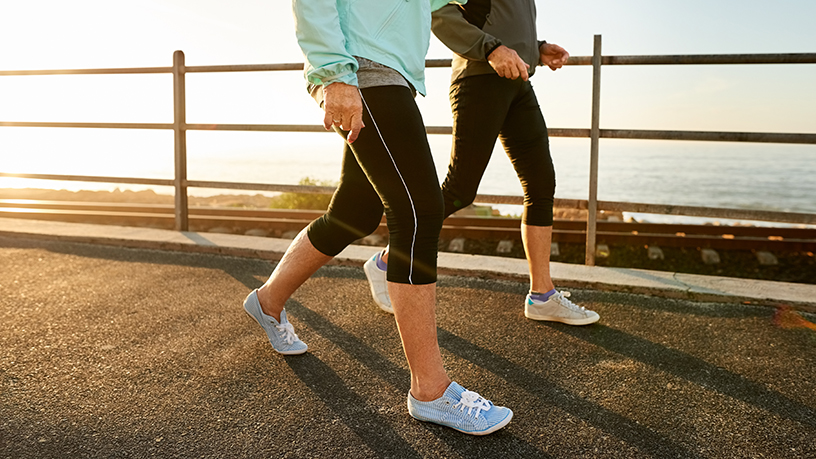
- Walking with friends: there’s nothing more motivating than knowing someone else is relying on your company.
- Joining a walking club: a quick search of community social pages might help you find a group in your area or explore services like the Heart Foundation.
Don’t run before you can walk
Before embarking on any kind of exercise that’s more strenuous than you’re used to, it’s a good idea to have a chat with your doctor, especially if there are pre-existing conditions such as joint problems, heart conditions or injuries at play.
Member Health Programs
Discover health cover that's right for you with a range of personalised programs and services designed to support your health and wellbeing.
Resources
The Heart Foundation offers easy-to-follow Personal Walking Plans based on your current physical activity levels.
Sara Mulcahy Writer
Sara is a journalist and content creator of 20+ years. She's based in tropical Far North Qld, where she writes about the things she’s passionate about: health, wellbeing, and Australian travel.

At Bupa, trust is everything
Our health and wellbeing information is regularly reviewed and maintained by a team of healthcare experts, to ensure its relevancy and accuracy. Everyone's health journey is unique and health outcomes vary from person to person.
This content is not a replacement for personalised and specific medical, healthcare, or other professional advice. If you have concerns about your health, see your doctor or other health professional.
1 Better Health, Walking for good health, 2025
2 Heart Foundation, The benefits of exercise on mental health, 2025
3 National Sleep Foundation, Walk to a better night of sleep, Oct 2019
You might also like

The power of walking
A simple stroll can be an overlooked activity with many health benefits. Find out how getting your daily steps in can help you march towards a healthier, happier you.
Why 10,000 steps? A simple path to a healthier you
You’ve probably heard that 10,000 steps a day is important for your health, but have you ever stopped to ask why?

The power of daily movement
Health information can be confusing, complex and at times seem contradictory. But what if you could step towards a longer, healthier life just by moving more?
4 ways to sneak more steps into your day
It can feel hard to get in those 10,000 steps in this busy world. But it might be easier than you think.