

By Katherine Chatfield Writer
On this page
Key takeaways
- Protein and fibre are 2 nutrients our body needs to function.
- Both protein and fibre have different purposes and health benefits.
- A balance of protein and fibre can help with weight regulation.
Walk down a supermarket aisle and you’ll see countless products claiming to be ‘high-protein’, or boasting ‘added protein.’ But if you scroll through social media, you the ‘fibremaxxing’ trend might be flooding your feed.
So, is protein or fibre the key to weight management? Bupa Dietitian Riley Kusuma says it’s actually both.
“Protein and fibre are 2 nutrients our body needs to function at its best,” says Riley. “Both have different purposes and health benefits, so it's important to include a balance of both in our diet.”
What is protein?
Protein is one of 3 main macronutrients, along with fats and carbohydrates.
“Protein is an essential part of our diet,” says Riley. “It’s like the building block of all the cells in our body.
“Protein is made up of amino acids. Nine of these are ‘essential’ which means we must get them from our diet as our body can’t make them ourselves.”
“Our body needs these amino acids for a whole range of things, such as making hormones, repairing muscles, boosting bone strength and helping joint function. It also acts as an energy source when needed.”
Why do I need protein?
Protein is an important part of your diet, particularly when it comes to weight loss. It helps:
Keep you fuller for longer
Protein is key in helping with weight loss. “Protein is satiating. This means it keeps you fuller for longer,” says Riley.
“It also acts as an appetite suppressant. It reduces levels of the ‘hunger hormone’, ghrelin, while also increasing levels of hormones responsible for digestion1 and for telling the body that you’re full.”
Boost metabolism
Your body uses calories to digest food. This is called the thermic effect of food.
“Protein has the highest thermic effect, meaning it takes more calories to digest it than other macronutrients,” says Riley. “Protein also helps maintain muscle mass. The more muscle we have in our body, the higher our metabolic rate.”
Preserve lean muscle during weight loss
Keeping your protein intake high can also prevent muscle loss during weight loss.
“Maintaining muscle mass is important as we get older as it helps us be able to do everyday things; from carrying shopping to simply getting up out of a chair,” says Riley.
Can I eat too much protein?
“As with any macronutrient, consuming more protein than you need can contribute to weight gain,” says Riley. “That’s simply because you’re consuming more calories than your body needs.”
“Some people need to be cautious of the types of protein they are consuming. For example, those people with heart disease shouldn’t consume too much red meat. High red meat intake has also been associated with bowel cancer. It’s important to have a range of protein sources in your diet.”
The amount of protein you need depends on your age and gender. It’s recommended that3:
- Adult males consume 0.84g of protein for every kg of body weight
- Adult females consume 0.75g of protein for every kg of body weight
What is fibre?
Fibre is a type of carbohydrate.
“Fibre is the indigestible part of plant foods; it’s in vegetables, fruits, grains, nuts, seeds and legumes,” says Riley. “Fibre contributes to our digestive health, keeps our bowel movements regular and helps keep our bowel healthy.”
There are 2 different types of fibre; soluble and insoluble fibre.
Soluble fibre dissolves in water. It is found in plant foods including fruits, vegetables, oats, barley and legumes. It helps slow the emptying process in our stomach.
Insoluble fibre does not dissolve in water. It acts roughage to keep everything moving in the bowel. It is found in wholegrain breads and cereals, bran, nuts, seeds, and fruit and vegetables.
Why do I need fibre?
Fibre is an important part of your diet, particularly when it comes to weight loss. It helps:
Keep you fuller for longer
Soluble fibre forms a gel-like material in the stomach that slows down digestion, keeping you fuller for longer. It also helps lower cholesterol.
It stabilises blood sugar
“Soluble fibre slows the absorption of sugar into the bloodstream. This can prevent large drops in energy levels, and helps to reduce sugar cravings,” says Riley.
Reduces visceral fat
Soluble fibre can improve the health of your gut microbiome. One study showed energy restriction combined with fibre supplements can also reduce visceral fat.2 Visceral fat gathers around internal organs and is linked to heart disease, Type 2 diabetes and certain cancers.
What is ‘fibremaxxing’?
Fibremaxxing is a social media trend that encourages maximizing fibre intake to promote digestive health.
“This could be by increasing your intake of legumes, wholegrains, nuts, seeds, fruits and veggies,” says Riley. “All of these foods are nutritious choices and provide benefits to our health.”
“Most Australians don't eat enough fibre, so most people would benefit from upping their intake if they are eating below the recommended 25-30 grams per day.”
“However there is no need to exceed the recommended fibre intake which often occurs with fibremaxxing.”
It’s recommended that3:
- Adult males consume 30g of fibre a day
- Adult females consume 25g of fibre a day
While it’s great to meet your daily fibre intake, you don’t want to overdo it, warns Riley.
“Eating too much fibre can upset our digestive system. This is because fibre slows our digestion and adds bulk to our stools, so if we have too much it might cause symptoms like bloating, gassiness, constipation or an upset stomach.”
“Additionally, because fibre helps to keep us fuller for longer, eating too much of it may mean we miss out on eating foods from other important foods groups.”
“If you do increase your fibre intake, it's best to do it gradually. This can help prevent uncomfortable digestive symptoms. It's also important to make sure you drink enough water to help keep the fibre moving along the digestive system and make it easier to pass bowel movements.”
Why balance wins
Ensuring you’re eating the correct amount of both protein and fibre together, rather than forgoing one for the other is the best way to regulate your weight.
Protein regulates appetite hormones, while fibre slows digestion. Both protein and fibre can help you feel fuller after eating, which may help support healthy weight management as part of an overall balanced diet.
“Both protein and fibre can help to keep you fuller for longer, which helps with weight loss,” says Riley.
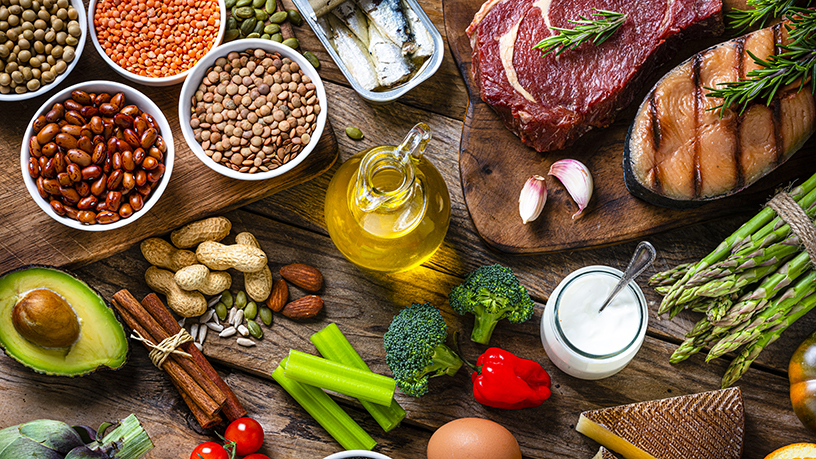
“Protein and fibre are found in nutritious foods, including meat or meat alternatives, dairy, wholegrains and legumes. Prioritising these foods over options that are higher in sugar, salt or fat will help with weight management.”
Resources
Nutrition Australia offers information and fact sheets on healthy eating.
Eat For Health has information about food essentials and The Australian Guide to Healthy Eating.
Katherine Chatfield Writer
Katherine is a journalist who specialises in jargon-free health and lifestyle content.

At Bupa, trust is everything
Our health and wellbeing information is regularly reviewed and maintained by a team of healthcare experts, to ensure its relevancy and accuracy. Everyone's health journey is unique and health outcomes vary from person to person.
This content is not a replacement for personalised and specific medical, healthcare, or other professional advice. If you have concerns about your health, see your doctor or other health professional.
1 Physiology and Behaviour (2020) Effect of short- and long-term protein consumption on appetite and appetite-regulating gastrointestinal hormones, a systematic review and meta-analysis of randomized controlled trials Physiology and Behaviour
3 National Health and Medical Research Council. (2006). Nutrient reference values for Australia and New Zealand including recommended dietary intakes. Australian Government Department of Health and Ageing.
You might also like
5 ways to eat more protein
Boost your energy, curb cravings and support your muscles with some surprisingly simple ways to eat more protein.
Protein power: 4 key benefits
From increasing muscle mass to keeping, you fuller for longer, protein is an essential part of your diet.

Is it time to up your fibre intake?
Fibre can help prevent bowel problems and keep us feeling well, but most of us aren't eating enough. Are you?

10 ways to turn your health kick into a habit
If you’ve set yourself some personal goals this year, these tips could be the inspiration you need to start making a positive long-term change in your life.