Stroke recovery is a team effort in which doctors, therapists and support specialists work together to help you regain independence.
By Blua Digital health by Bupa

By Blua Digital health by Bupa
Stroke recovery is a team effort in which doctors, therapists and support specialists work together to help you regain independence.
Emotional and cognitive recovery are just as important as physical rehabilitation.
Staying engaged in therapy and tapping into various resources can enhance your recovery journey.
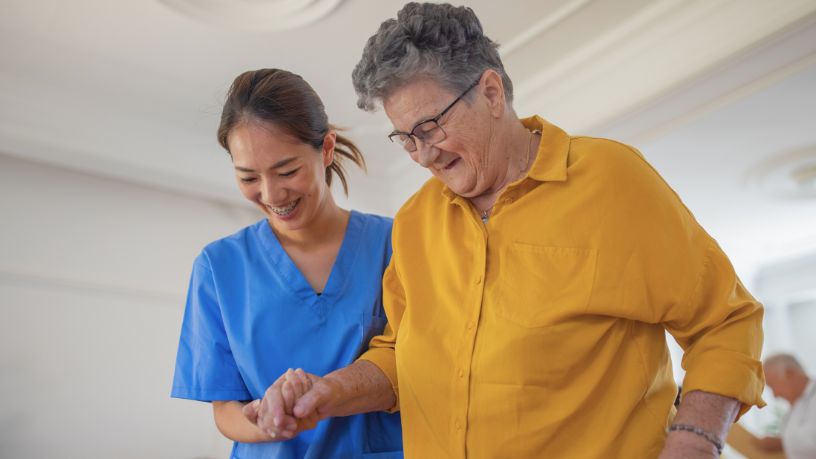
Stroke rehabilitation or recovery is a journey involving the expertise and support of a diverse healthcare team. Every single person plays a crucial role in helping you rebuild your life.
Your stroke recovery team gets to work as soon as your condition stabilises. After you're discharged from hospital, your stoke team may provide or arrange in-clinic or visiting services.
Your general practitioner (GP) will also manage your care once you get home and can also refer you to other necessary health professionals.
Here's who you're likely to meet and their roles in your recovery journey.
Being an active participant in your recovery can make a significant difference. Here are some ways to engage effectively with your stroke recovery team.
Understanding your treatment plan and recovery process helps you to make informed decisions. Ask your healthcare providers questions such as:
Stroke recovery involves multiple appointments, therapies, and instructions. Keeping a notebook (or using a notes app on your phone) can help you track important information. You can:
Support from family and friends can make a big difference. Encourage your loved ones to:
The COACH Program® provides over the phone guidance, information and support, at no extra cost for eligible Bupa members, following a heart attack, stroke, or other cardiovascular event.
Working together and using all available resources may help you rebuild your strength, confidence, and independence. Rehabilitation takes time, but having the right team in your corner will help you navigate your road to recovery as smoothly as possible.
The Stroke Foundation offers comprehensive guides on prevention, treatment and recovery. You can also call StrokeLine on 1800 787 653 for advice and to be connected to services for survivors, family and carers.
Stroke Association of Victoria runs an online stroke support program that provides stroke survivors and their carers with skill development activities, educational talks and social connection with peers.
Enable Me is a dedicated online platform offering information, tools and a supportive community for stroke recovery.
Carer Gateway has resources and support for caregivers assisting stroke survivors.
Blua Digital health by Bupa
Blua is Bupa’s new home for digital health services like online doctor appointments and delivery of prescription items and over-the-counter goods.
At Bupa, trust is everything
Our health and wellbeing information is regularly reviewed and maintained by a team of healthcare experts, to ensure its relevancy and accuracy. Everyone's health journey is unique and health outcomes vary from person to person.
This content is not a replacement for personalised and specific medical, healthcare, or other professional advice. If you have concerns about your health, see your doctor or other health professional.
Find out how stroke rehabilitation may help to rebuild strength, promote healing through neuroplasticity and potentially prevent future strokes.
Find out about how stroke affects different areas of the brain and body functions, and the brain’s remarkable ability to heal and recover.
Discover how stroke and heart health are connected, common risk factors for both, and the easy, practical ways you can protect your heart after a stroke.
The effects of a stroke aren’t just physical, they’re often mental and emotional, too. Learn more about life following a stroke.