By Chris Eldridge Dietitian and Diabetes Educator
7 minute read
Published 6 August 2026
Chris Eldridge Dietitian and Diabetes Educator
Chris is a Clinical and Sports Dietitian with a passion for promoting positive health and preventative care.
By Chris Eldridge Dietitian and Diabetes Educator
As a diabetes educator 5 foods I prioritise People often ask me if there's a single food that can prevent diabetes or improve blood sugar levels.
And look, the truth is, it's not about one food being better than others.
It's about building meals around foods that help you feel fuller for longer, support steady energy and help manage blood sugar levels.
But most of all, it's about finding a balance that is sustainable for you.
So, today I'm sharing 5 food groups I often encourage people to prioritise.
The first is high fibre whole grains.
Foods like oats, grainy bread, brown rice and quinoa contain fibre that slows digestion and helps glucose enter the bloodstream more gradually.
They can help reduce large spikes in blood sugar after meals.
The second is our non-starchy vegetables.
So, think broccoli, spinach, capsicum, tomatoes, cucumber, cauliflower and any of our leafy greens.
They're packed with fibre, vitamins and minerals, and they can help add volume to meals without having too much impact on our blood sugar levels.
As a general guide, aim to fill half of your plates with these vegetables.
The third is our lean protein.
So, protein helps you feel satisfied after eating and helps slow that digestion of the carbohydrates when included as part of a balanced meal.
So good options include fish, eggs, chicken, tofu, legumes and Greek yoghurt is healthy fats.
So, food like our avocados, nuts, seeds and olive oil can help improve satisfaction after meals and support our heart health.
And you know, that's important because people with diabetes are also at increased risk of cardiovascular disease.
And finally, our lovely legumes.
So that means lentils, chickpeas and beans, which are all fantastic for your blood sugar health.
They're rich in both fibre and protein, making them incredibly filling and helpful for supporting more stable blood sugar levels.
But the real magic happens when you combine these fruits together.
For example, you might build a meal with some non-starchy veggies, lean protein, healthy fats, and a small serve of whole grains or legumes.
You don't need a perfect diet.
The goal is simply to include more of these foods more often.
Remember, managing your blood sugar isn't about cutting out every food that you enjoy.
It's about creating balanced meals that work for your body and of course, fit your lifestyle.
See you next time.

People often ask whether one food can prevent diabetes or fix blood glucose levels. I wish it were that simple.
Diabetes-friendly eating is not about one miracle ingredient. It's about building meals that help you feel satisfied, support steady energy and fit your life.1
If you’re living with diabetes, you don’t need a special diet. In most cases, you can follow the same general principles of healthy eating that apply to everyone else: choosing a wide variety of nutritious foods, including high-fibre, low-GI carbohydrate choices, lean protein and limiting saturated fat, added sugar and salt.1
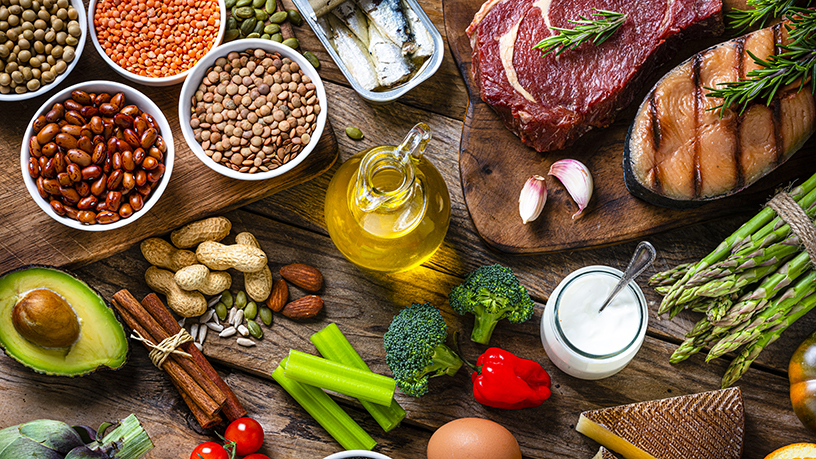
These are the fundamental 5 food groups to help you build balanced meals.
Wholegrains such as oats, grainy bread, brown rice, barley and quinoa contain fibre, which can slow digestion and help glucose enter the bloodstream more gradually. Small serves of high-fibre carbohydrate foods such as wholegrain bread and cereals, brown rice and quinoa can be part of diabetes-friendly eating.1
The practical tip: think portion and pairing. A small serve of wholegrain carbohydrate alongside protein, healthy fats and vegetables will usually be more satisfying than eating carbohydrates on their own.
Non-starchy vegetables such as broccoli, spinach, capsicum, tomatoes, cucumber, cauliflower and leafy greens add colour, fibre, vitamins and minerals. A practical goal is to make vegetables the main part of the meal and aim to fill at least half your plate with non-starchy vegetables or salad at lunch and dinner.1
You can keep this simple: add frozen vegetables to pasta sauce, serve salad with a sandwich, put spinach in eggs, or roast extra vegetables to use the next day.
Protein helps with fullness and can make meals more satisfying. Examples include fish, eggs, chicken, tofu, legumes, Greek yoghurt, lean meat, seafood, seeds and nuts. Lean meats and alternatives such as fish, eggs, legumes, tofu, seeds and nuts can all be part of a healthy eating plan for people with diabetes.1
The practical tip: include protein at breakfast and lunch, not just dinner. This may help reduce grazing and make meals feel more complete.
Healthy fats such as those in olive oil, avocado, nuts and seeds can improve meal satisfaction and support heart health. This matters because people with diabetes have a greater risk of heart disease, so replacing saturated fats with healthier unsaturated fats can be a useful goal.1
Think of healthy fats as a small flavour and satisfaction booster: a drizzle of olive oil, a sprinkle of seeds, a small handful of nuts or a few slices of avocado.
Legumes such as lentils, chickpeas, kidney beans and split peas are rich in fibre and plant-based protein. They can count as both lean protein alternatives and high-fibre carbohydrate options in diabetes-friendly eating.1
They are also budget-friendly and flexible. Add canned chickpeas to salad, lentils to soup, beans to tacos or hummus to wholegrain toast with vegetables.
Balanced meals often include several of these groups together: half a plate of non-starchy vegetables, a source of lean protein, a small serve of high-fibre carbohydrate and a little healthy fat. Wholegrain foods can support type 2 diabetes prevention and management, while fibre-rich carbohydrates, a wide variety of nutritious foods and healthier fats can all support diabetes-friendly eating.1,2
You don’t need a perfect diet. Start by adding more of the foods that support blood glucose management, rather than focusing only on what to remove.
Learn a simple way to build balanced meals, half plants, a quarter protein, a quarter wholegrain carbs, plus a little healthy fat.
Boost your energy, curb cravings and support your muscles with some surprisingly simple ways to eat more protein.
Did you know exercise can significantly decrease your risk of diabetes? Here’s why, and how.
Your hands are one of the simplest tools you can use to learn portion control, here’s how to put them to work for a balanced plate.