By Blua Digital health by Bupa

9 minute read
Published 29 March 2026
Blua Digital health by Bupa
Blua is Bupa’s new home for digital health services like online doctor appointments and delivery of prescription items and over-the-counter goods.
By Blua Digital health by Bupa
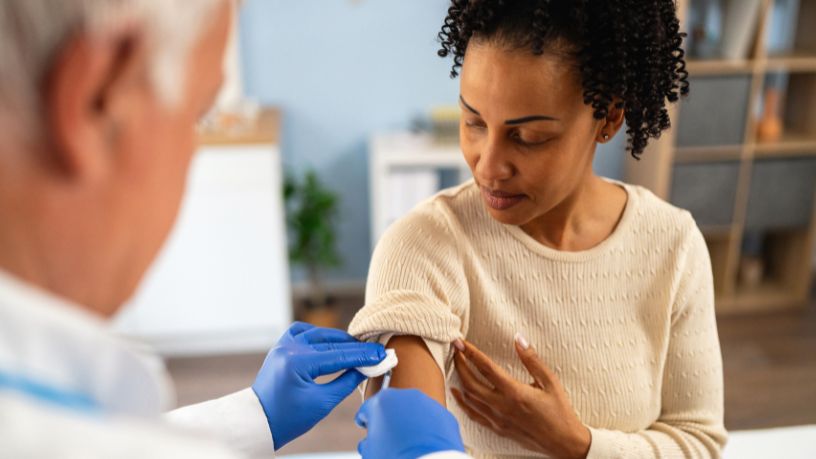
Vaccinations are the best way to protect yourself from serious illnesses.
The more people who get vaccinated, the stronger our community’s overall protection against infection.1
But who is most at risk, and are there other jabs you should line up to get?
Vaccinations act like a protective armour for your immune system, helping it train and prepare to fight off future illnesses.
Your immune system is your body’s natural defence mechanism against bacteria, viruses and abnormal cells, such as cancer cells.
When germs enter your body, your immune system responds by producing white blood cells that create antibodies to kill those germs.
The only problem is that you have to get sick for your immune system to kick in and start fighting back.
Vaccines teach the immune system to recognise nasty germs before we become sick, meaning your body already knows how to respond if any of those bacteria enter your system.
Vaccines aim to both stop you getting sick, but also mean you may get less seriously ill if you do contract a virus because your body already knows what to do with the germs.
Vaccinations don’t just help you; the more people in a community who are vaccinated against an illness, the less likely people are to get sick. This is called herd immunity.1
From birth, every Australian is entitled to vaccinations against diseases that can cause serious illness and death.
As we age, we’re eligible for new vaccines and boosters to help keep us protected.
Every Australian can be vaccinated against serious conditions, and Australian health guidelines recommend staying up to date with all available vaccines.
Some high-risk groups may be eligible for additional vaccines or vaccinations at different ages, as they are at greater risk of complications from certain infections.
Vulnerable groups include:2
Under the National Immunisation Program (NIP), from as early as one day old, every Australian is entitled to receive vaccines to help protect them against diseases.
Although the schedule of vaccinations may vary slightly due to location or ethnicity, the NIP for each state and territory recommends each person receive specific vaccines at set ages or life stages.
Australian health guidelines recommend getting every available vaccine for your age and life stage to help protect you against preventable diseases and serious illnesses.
Some vaccinations will be part of your routine check-ups with your GP or part of the national school immunisation programs in each state. These are annually given or scheduled for certain ages and/or life stages, such as pregnancy.
The following vaccinations can help protect you against respiratory-related illnesses. You are more likely to need one of these if you are considered high risk, for example if you are pregnant, have an underlying medical condition, or are of an older age.
The influenza3 vaccine is designed each year to help protect against the most common strains of flu that season. In Australia, flu season is around June-September.
Ask your GP or pharmacist about how to access the vaccine before flu season starts to give you the best protection.
Anyone over the age of 6 months old can get an annual flu jab and all high risk groups are recommended to get the flu jab every year.
Affecting the lungs and airways, RSV4 (respiratory syncytial virus) is a common and highly contagious infection that can be serious and even life-threatening in babies, very young children, older Australians and those living with chronic health conditions.
A single dose is recommended for older adults (60 years plus) and pregnant people to protect their unborn child. Speak to your GP about how to access the RSV vaccine.
Vaccination against COVID-195 is available to anyone over the age of 6 months.
While most healthy people under 18 years old do not need a COVID-19 vaccine, anyone in this age group who is immunocompromised or living with any medical condition is recommended to be fully vaccinated each year.
Adults aged 18 and older are recommended to receive an annual booster. Adults aged 65 and older can receive a booster every 6 months. Talk to your GP about what’s right for you.
Pneumococcal disease6 can cause disease ranging from severe, such as meningitis, pneumonia and bacteraemia, to less severe, such as otitis media (middle ear infection).
The vaccination is recommended for infants and children, all adults aged 70 or older and those living with other risk factors for infection.
Aboriginal and Torres Strait Islander adults aged 50 or older are recommended to be vaccinated. The vaccine can help reduce the risk of serious illness and death.
Potentially fatal in babies and very young children, all Australians can be vaccinated against whooping cough7.
Pregnant people are recommended to receive the vaccine during each new pregnancy, between 20 and 32 weeks. Babies should be vaccinated at 6 weeks, 4 months, 6 months, and 18 months.
Subsequent vaccines are recommended at age 4 and again between the ages of 11-13. Adults who live with or care for children or babies should be vaccinated every 10 years, as should healthcare workers and adults over 50.
The Department of Health Disability and Aging has national guidance on when to get vaccinated.
The National Immunisation Program provides information on vaccination schedules for each state and territory.
At Bupa, trust is everything
Our health and wellbeing information is regularly reviewed and maintained by a team of healthcare experts, to ensure its relevancy and accuracy. Everyone's health journey is unique and health outcomes vary from person to person.
This content is not a replacement for personalised and specific medical, healthcare, or other professional advice. If you have concerns about your health, see your doctor or other health professional.
1 Health Direct. (2025). Immunisation or vaccination – what’s the difference?
2 Department of health, disability and ageing. (2024). When to get vaccinated. Australian Government.
3 Department of health, disability and ageing. (2025). Influenza (flu). Australian Government.
4 Department of health, disability and ageing. (2026). Respiratory syncytial virus (RSV). Australian Government.
5 Health Direct. (2025). COVID-19 vaccines FAQs.
6 Department of health, disability and ageing. (2026). Pneumococcal disease. Australian Government.
7 NSW Health. (2025). Whooping cough (pertussis) fact sheet. NSW Government.
The best way to protect yourself and your unborn baby from flu is to get vaccinated. We answer some common questions with the help of Dr Janice Tan.
Your annual flu jab can help reduce your risk of catching the virus and lower the severity of your symptoms if you do get it. Find out how it works.
Colds and the flu can share a lot of the same symptoms, so we asked Dr Janice Tan how you can tell the difference and what you can do to reduce your risk.
Bronchitis is a viral chest infection which can be quite common during cold and flu season. Learn about the symptoms and how you can treat it at home.
Bupa acknowledges and shows respect to the Traditional Custodians of Australian land. We pay our respects to Elders past and present and recognise their cultural heritage, beliefs, and continuing connection to land, waters, and community. We embrace their knowledge on how to protect and nurture these lands, and all they contain, to keep this country and people healthy.