

By Blua Digital health by Bupa
On this page
Key takeaways
- Shoulder pain is common and often linked to posture, muscle tension or daily habits.
- Gentle exercises may help improve mobility, posture and reduce discomfort.
- This short physio-led routine is easy to follow and can be done at home or work.
Shoulder pain workout: Gentle exercises to ease stiffness and build strength
Whether you’re at a desk, picking up kids, or simply feeling tight and sore across your upper back, shoulder pain is incredibly common.
But with the right exercises, you can ease tension, support your posture, and reduce discomfort.
Physiotherapist Carly Stewart takes you through a series of gentle shoulder exercises that focus on mobility, strength and posture. All you’ll need is a resistance band (or towel) and something sturdy to lean on like a desk or wall.
Shoulder pain workout with Physiotherapist Carly Stewart
Hi, I'm Carly, a physiotherapist here at Bupa.
Whether you're sitting at a desk all day, carrying kids around, or just noticing that your shoulders are getting stiff and sore, shoulder pain is very common.
To help alleviate this and keep your shoulders mobile, I'm going to guide you through some strength and mobility exercises.
You'll need something to hold onto, such as a desk, table, wall, or door frame—anything sturdy—as well as a band or towel.
Let's get started.
To begin, we'll do some gentle shoulder rolls. Bring your shoulders up towards your ears, rolling them backwards to start. This helps relieve neck tension. Lift your shoulders all the way up, then back and down, making big circles. Complete about 10 to 20 repetitions, then reverse the direction. This gets blood flowing and loosens up the joints.
Next, we're going to do some wall slides. Find a clear wall and stand with your back, head, and shoulder blades pressed against it, along with the backs of your hands. Keep your hands in contact with the wall as you move, lifting up as high as you comfortably can, then coming back down. Do about 10 to 15 of these, slowly and gently, never letting your hands leave the wall.
The next exercise is scapular squeezes. Stand tall, squeeze your shoulder blades together as if holding a pencil between them, and hold for five seconds before relaxing. This helps strengthen the postural muscles that support your shoulders and posture throughout the day. Repeat 10 to 20 times, ensuring you hold the squeeze each time. Now let's try a band pull apart. You can use a towel if you don't have a band. Grab the band, wrap it around your hands so it's even in front of your chest, then pull across and back, opening the chest and squeezing your shoulder blades together. Slowly return to the centre, stretching your shoulders. This exercise opens the chest, strengthens the postural muscles in your back, and builds overall strength. Do about 10 repetitions before taking a rest.
Next up are arm circles. Raise your arms to the side and start with small circles going backwards, gradually making the circles bigger as you go, doing what's comfortable for you. After about 10 to 30 seconds, return to smaller circles, then switch direction and do the same forwards. These circles work the stabilising muscles in your shoulders that help maintain good posture and can help prevent pain.
Finally, let's do a shoulder stretch to open up your arms and help prevent shoulder pain. Use a desk, wall, or door frame—something stable that you can hold and pull. Hold onto it and lean back to feel the stretch throughout your arm, holding for about 5 to 10 seconds before switching sides. Make sure to lean backwards and down into the stretch to open up the shoulder joint, improve your range of motion, and boost mobility.
This routine is excellent for strength, mobility, and posture, helping to relieve any shoulder pain you may have. However, if your pain persists, please make sure to see a physio or a GP. See you next time.
Why do my shoulders feel stiff or sore?
Shoulder pain can build up gradually from everyday habits, like sitting at a computer, carrying heavy bags, or holding your body in awkward positions. Over time, poor posture, weak muscles, or tight joints can start to cause discomfort or reduce your range of movement.
That’s why it’s important to keep your shoulders active and strong. A regular routine of simple stretches and strengthening exercises can help manage or even prevent shoulder pain in many cases.
What’s in this workout?
This physio-approved routine includes:
- Shoulder rolls to release tension and get the blood flowing
- Wall slides to build control and improve mobility
- Scapular squeezes to strengthen your posture muscles
- Band pull-aparts to open the chest and strengthen the upper back
- Arm circles to activate stabilising muscles
- Shoulder stretch to improve flexibility and range of motion
Each exercise is low-impact and suitable for most people but remember to take it slow and stop if anything feels painful.
When to seek support
These kinds of exercises may be very effective for mild to moderate shoulder tightness. But if your pain is sharp, ongoing, or gets worse over time, it’s a good idea to see a GP or physiotherapist to get a personalised treatment plan.
Members First Network
Our extensive network provides certainty of costs for extras services: dental, physio, podiatry and chiropractic.
Blua Digital health by Bupa
Blua is Bupa’s new home for digital health services like online doctor appointments and delivery of prescription items and over-the-counter goods.

At Bupa, trust is everything
Our health and wellbeing information is regularly reviewed and maintained by a team of healthcare experts, to ensure its relevancy and accuracy. Everyone's health journey is unique and health outcomes vary from person to person.
This content is not a replacement for personalised and specific medical, healthcare, or other professional advice. If you have concerns about your health, see your doctor or other health professional.
1Better Health Channel. (2023). Shoulder pain. Victorian State Government.
2Healthdirect. (2024). Shoulder pain. Australian Government.
3Chartered Society of Physiotherapy. (2022). Shoulder pain and how to manage it.
You might also like
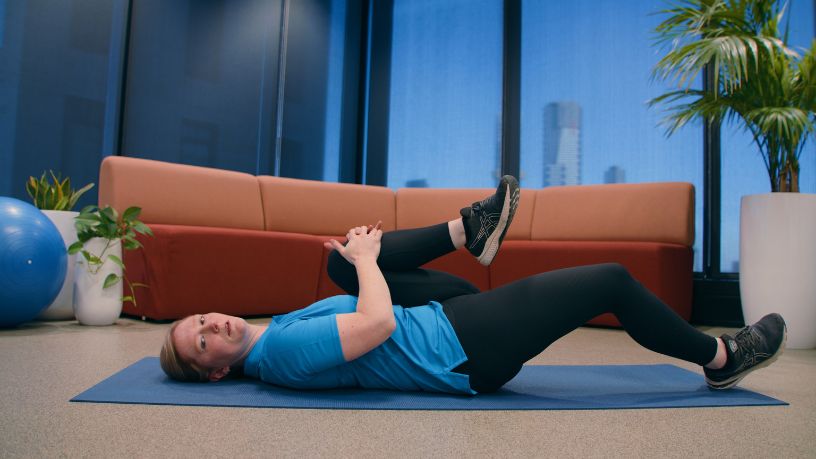
5 key stretches to help relieve lower back pain
Sore lower back? These 5 simple physio-approved stretches can help ease pain and release tension at home.
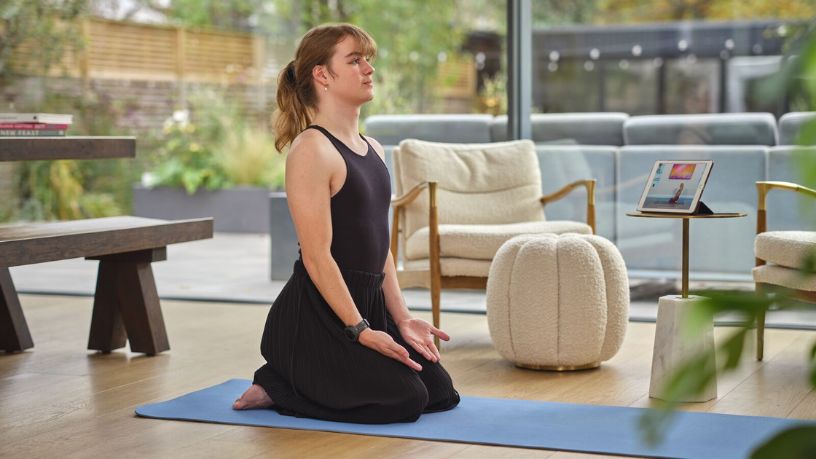
3 simple exercises to improve your posture
These simple physio-led posture exercises can help relieve back and neck pain, improve alignment and support your core.

Tech neck: What is it and how to stop it
If you’re getting a pain in the neck from too much time looking at your phone, you might have ‘tech neck’. Find out how to ease the pain.
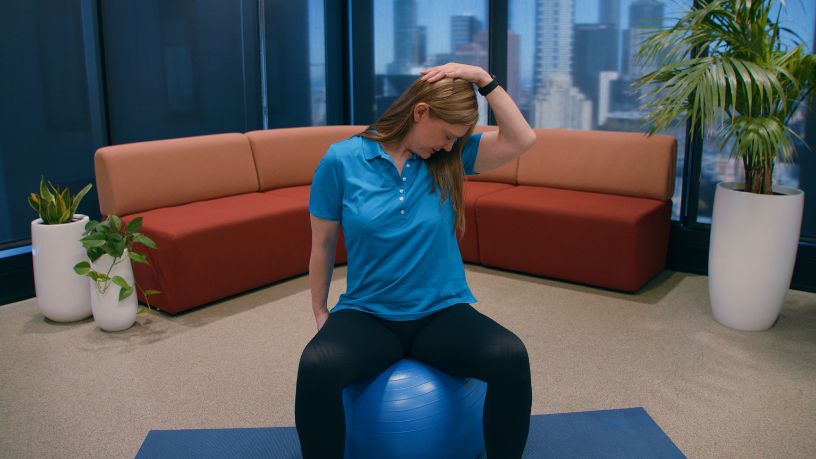
Neck pain workout: Simple stretches to relieve pain
Stiff, sore neck? Try this gentle physio-led neck workout to ease tightness, improve posture and relieve pain from desk work or tech use.