

By Blua Digital health by Bupa
On this page
Key takeaways
- Anxiety disorders can be treated effectively and successfully.
- Treatments for anxiety include psychological treatments, medication, and self-help therapies.
- Cognitive behavioural therapy (CBT) is an effective way of treating anxiety disorders.
Anxiety disorders can seriously impact your ability to work, focus and participate in everyday life.
Left unchecked, anxiety can last for a long time and sometimes become debilitating.
But there is a range of successful treatments that can help you manage anxiety.
These generally fall under 3 areas: psychological treatments (talking therapies), physical treatments (medications), and self-help and alternative therapies. Often a combination of treatments can be the most effective.
Psychological treatments for anxiety disorders
Psychological treatment can sometimes be called counselling, psychotherapy or talking therapy. These treatments are designed to help address the emotional and psychological reasons behind our anxiety, and develop coping strategies.
Cognitive behavioural therapy (CBT)
Cognitive behavioural therapy is known as the gold standard1 in treating anxiety and preventing future anxiety.
This technique helps address negative and unhelpful thoughts, feelings and behaviours, and allows you to reframe how you think. It also teaches you to face certain stressors rather than avoiding them.
CBT can be conducted by trained therapists in one-on-one sessions or in small groups. It can be done online or face-to-face.
Exposure therapy
Exposure therapy involves repeated and increasing exposure to whatever makes you anxious.
This helps you learn how to cope with it and not fear it. Also known as behavioural therapy, it concentrates on changing your actions rather than your thoughts and beliefs.
Eye movement desensitisation and reprocessing (EMDR)
EMDR is a treatment that can help people process disturbing memories that have caused PTSD.
It includes recalling traumatic or anxiety-inducing experiences for short periods of around 30 seconds while moving the eyes back and forth.
Physical treatments for anxiety disorders
Physical treatments are medications that are prescribed by a doctor. He or she will discuss the benefits, risks and side effects with you, and have you book regular checkups to make sure you are on the right medication for your anxiety.
Anti-anxiety meds
Anti-anxiety medications are used for severe anxiety in conditions such as generalised anxiety disorder (GAD), social phobia and panic disorder.
Medications such as benzodiazepines can help reduce the symptoms of anxiety, such as panic attacks or extreme fear and worry, and help you to sleep. They do have side effects such as headaches and dizziness. They can be addictive and ineffective over time, so aren’t usually recommended for long-term use.
Antidepressants
Anxiety can cause changes in brain chemistry. This can be helped with the use of antidepressants, which were initially developed to treat depression.
There are lots of different types of antidepressants. Selective Serotonin Reuptake Inhibitors (SSRIs) and Serotonin and Noradrenaline Reuptake Inhibitors (SNRIs) are among the most commonly used in treating anxiety.
Beta blockers
Beta blockers are sometimes used to help with the physical effects of anxiety, such as palpitations or shaking. They won’t help any psychological symptoms linked to anxiety.
Self-help and alternative therapies for anxiety disorders
While severe anxiety may not be helped by self-help or alternative therapies alone, these can be used alongside psychological treatments and medication to good effect.
Things that may help reduce anxiety include:
- Exercise. Regular exercise may increase the level of brain serotonin, a key neurotransmitter involved in regulating mood, sleep, libido, appetite and other functions.
- Sleep. Getting enough sleep can reduce the risk of anxiety and depression.2
- Meditation. Mindful meditation has been proven to help reduce anxiety.3
- Relaxation and breathing techniques. Certain breathing and relaxation techniques can help break the cycle of anxious thoughts.
- Good nutrition. Magnesium, Vitamin D, B Vitamins and Omega-3 oils4 are all linked to anxiety relief. Include dark green leafy vegetables, wholegrains, nuts, seeds, bananas and oily fish in your diet.
- Avoiding drugs and alcohol. When drugs or alcohol are in your system, your central nervous system is suppressed or stimulated. Once they leave your system, your brain can go into ‘fight or flight’ mode. This is the same reaction that is seen in anxiety disorders.

Want to talk to a psychologist?
Backed by Bupa, Mindplace psychologists provide tailored support, in-person and online.
Resources
If yours or someone else’s life is in danger, dial 000 immediately.
Lifeline Australia offers 24/7 crisis support online and on the phone at 13 11 14.
Beyond Blue offers 24/7 mental health information and support online and on the phone at 1300 224 636.
13YARN offers a national crisis support line for First Nations People on 13 92 76. The support line is available 24/7.
1800Respect is a 24/7 support service for people experiencing domestic violence. You can find support, counselling and information online or on the phone at 1800 737 732.
PANDA (Perinatal Anxiety & Depression Australia) supports the mental health of parents and families online and on the phone at 1300 726 306.
MensLine is a counselling service for men. You can get 24/7 support online and on the phone at 1300 78 99 78.
QLife offers LGBTQIA+ peer support online and over the phone on 1800 184 527.
Blua Digital health by Bupa
Blua is Bupa’s new home for digital health services like online doctor appointments and delivery of prescription items and over-the-counter goods.
At Bupa, trust is everything
Our health and wellbeing information is regularly reviewed and maintained by a team of healthcare experts, to ensure its relevancy and accuracy. Everyone's health journey is unique and health outcomes vary from person to person.
This content is not a replacement for personalised and specific medical, healthcare, or other professional advice. If you have concerns about your health, see your doctor or other health professional.
1Psychiatry Online (2021) Cognitive-Behavioural Treatments for Anxiety and Stress-Related Disorders
2Sleep Medicine Reviews (2022) Sleep and anxiety: From mechanisms to interventions
3JAMA Psychiatry (2022) Mindfulness-Based Stress Reduction vs Escitalopram for the Treatment of Adults With Anxiety Disorders
4BMC Psychiatry (2024) Efficacy and safety of omega-3 fatty acids supplementation for anxiety symptoms: a systematic review and dose-response meta-analysis of randomized controlled trials
You might also like
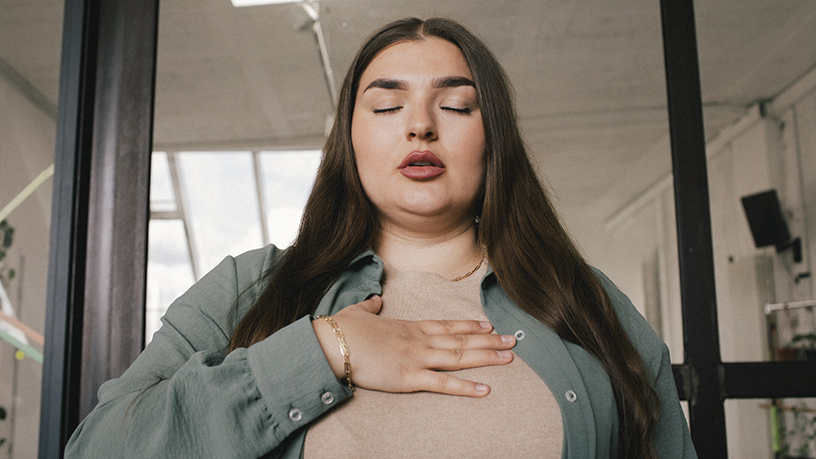
Hack your anxiety: 5 science-backed ways to help find calm now
Getting help for anxiety is important. Here are some ways to help manage your anxiety at home.

What's the difference between anxiety and depression?
Anxiety and depression are common mental health conditions in Australia. Learn about the different signs and symptoms and where to get help.
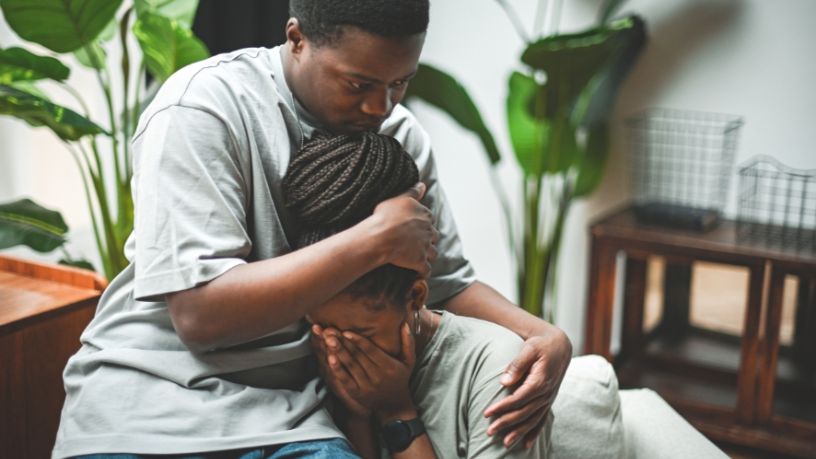
A step-by-step guide to managing panic attacks
Panic attacks can happen at any time. Discover practical calming techniques and breathing exercises to manage a panic attack and ease your symptoms.

How to help a friend with anxiety
Anxiety disorders can be tough on friendships. Learn what to say and how to help.