All age groups need sleep to function well.
By Judith Ngai Health writer

By Judith Ngai Health writer
All age groups need sleep to function well.
Lack of sleep can affect your productivity and safety.
Long-term sleep deprivation can cause serious health problems.
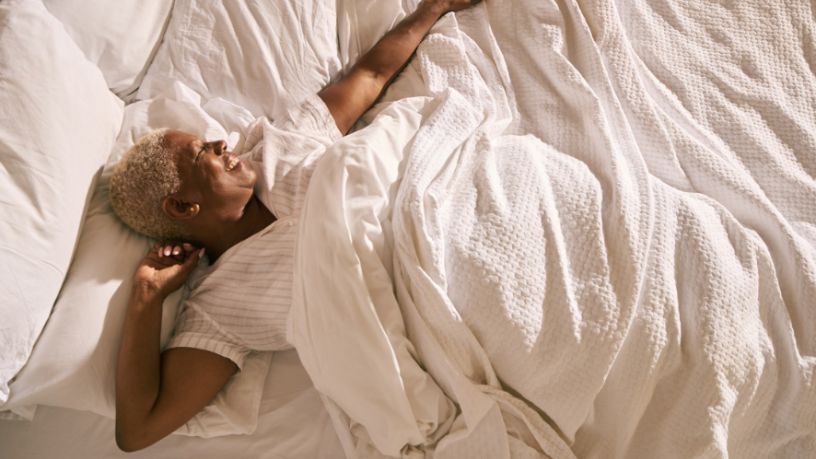
Most of us feel better after a good night's sleep: refreshed, energised, and more positive.
The opposite happens, though, when we don't get enough sleep. In the short term, our safety, productivity, alertness and mental performance can be affected. In the long term, the effects of poor sleep can put us at an increased risk of hypertension, diabetes, obesity, depression, heart attack and stroke.1
It's no wonder some sleep experts believe we should pay as much attention to the quality of our sleep as we do to diet and exercise.
The amount of sleep we need varies according to age and individual needs. On average:
Being awake for just 17 hours without sleep can lead to a decrease in performance and mental alertness equivalent to a blood alcohol level of 0.05%.2
Lack of sleep has been linked with adverse effects on children’s concentration at school. It can increase the risk of depression and attention deficit hyperactivity disorder in teenagers.
Some sleep experts believe there may be a connection between weight gain and sleep deprivation.3 Research suggests sleep deprivation may affect hormones regulating our appetite, making us feel hungrier.4 Lack of sleep can also make people feel more tired and less motivated to exercise.
Nearly half of Australian adults report at least 2 sleep-related problems, such as having trouble falling asleep, waking frequently during the night, snoring and feeling unrefreshed in the morning.5
If you have concerns about your sleeping patterns, talk to your doctor or a sleep specialist.

Judith Ngai Health writer
Judith is a pharmacist and health content specialist.
At Bupa, trust is everything
Our health and wellbeing information is regularly reviewed and maintained by a team of healthcare experts, to ensure its relevancy and accuracy. Everyone's health journey is unique and health outcomes vary from person to person.
This content is not a replacement for personalised and specific medical, healthcare, or other professional advice. If you have concerns about your health, see your doctor or other health professional.
1Amin F., & Sankari A. (2023). Sleep Insufficiency. StatPearls Publishing.
2Sleep Health Foundation. (2024). Drowsy Driving. Sleep Health Foundation.
3Fry, A., & Rehman, A. (2023). Obesity and Sleep. Sleep Foundation.
4Harvard Medical School, Division of Sleep Medicine. (2024). Why Sleep Matters: Consequences of Sleep Deficiency. Harvard Medical School.
5Australian Institute of Health and Welfare. (2021). Sleep problems as a risk factor for chronic conditions. Australian Government.
We all know that how well (and how much) you sleep can impact your health and wellbeing, so we’ve put together some tips to help you get a better night’s sleep.
Hot summers are great until it’s time to get some sleep. We’ve come up with 8 simple tips to turn hot, sweaty nights into a peaceful, restful sleep.
Your body is actually quite active when you’re asleep, repairing cells, regenerating tissue and helping you grow. So how does REM and non-REM sleep work?
What you eat and drink during the day can have a big impact on how well you sleep at night. So how exactly does your diet affect your sleep?