
By Blua Digital health by Bupa
On this page
Key takeaways
- Skin cancer1 happens when skin cells are damaged, often by exposure to ultraviolet (UV) radiation from the sun.
- Australia has one of the highest incidences of skin cancer in the world.
- Regular skin checks can help flag any issues early on, leading to faster treatment and better health outcomes.
Around 2 in 3 Australians will be diagnosed with skin cancer in their lifetime.2
Although there's a high survival rate when caught early, skin cancer can be deadly.3 You can lower your risk of getting skin cancer by using sun cream, avoiding exposure to the sun during the hottest parts of the day and keeping skin covered when outside.4 However, if you do get skin cancer, early detection and treatment are essential.
One of the best ways to keep your skin safe is to have regular skin checks with a health professional, but you can also do your own self-skin checks.
What is a self-skin check?
When a health professional performs a skin check, they use a magnifying tool called a dermatoscope, which allows them to see the skin and its top layers more clearly.
While it’s important to get skin checks with a professional at least once a year, you don’t have to wait that long to take care of your skin. A self-skin check is simply looking at your skin to see if there have been any changes to its appearance, especially areas that have moles, pigmentation or beauty marks.
Cancer Council NSW states that most melanomas, the deadliest form of skin cancer, are found by the person with the cancer or their partner. Around 95 per cent of skin cancers are treatable when found early.5
What to look for when doing a self-skin check
Skin cancers don’t always look the same, so it’s important to note anything that looks or feels new or different from what’s usual for you.
Use the ABCDEs of melanoma to check your skin.6 Look for spots with the following:
Asymmetrical
Borders that are irregular
Colours that are uneven
Diameter that’s larger than 6mm
Evolving (Changes in size, shape or colour, or start to itch or bleed).
Other signs to be aware of are new moles or the surface of a mole becoming rough or scaly. If you have any concerns, see your GP immediately.
5 ways to make a self-skin check easier
1. Schedule it
Put a monthly reminder in your calendar to do a self-skin check. Regular checks mean you will notice any changes quickly, which can lead to faster treatment and better outcomes. Doing regular checks also means you get to know your skin better, making any changes easier to spot.
2. Buddy up
Get your partner or bestie to do a skin check with you. That way that can check hard to see places such as your back, neck and back of the legs. And you can then return the favour!
3. Take pictures
If you have any prominent moles that a healthcare professional has said it would be good to keep an eye on, take regular photos and save them in a folder on your phone or computer. That way, if changes do occur you can tell your doctor the approximate timing, making the issue easier to track and treat.
4. Go top to toe
Start with your head and scalp. Use a comb or hairdryer to part your hair in different ways and ask your buddy to check behind your ears. Don’t forget to check the soles of your feet, armpits, between your toes and your palms. Check under your toe and fingernails as well.
5. Use mirrors
Full length and smaller handheld mirrors can help, especially if your buddy isn’t around. Make sure the room is well lit and take your time. It’s worth the investment. See your doctor straight away if you have any concerns.
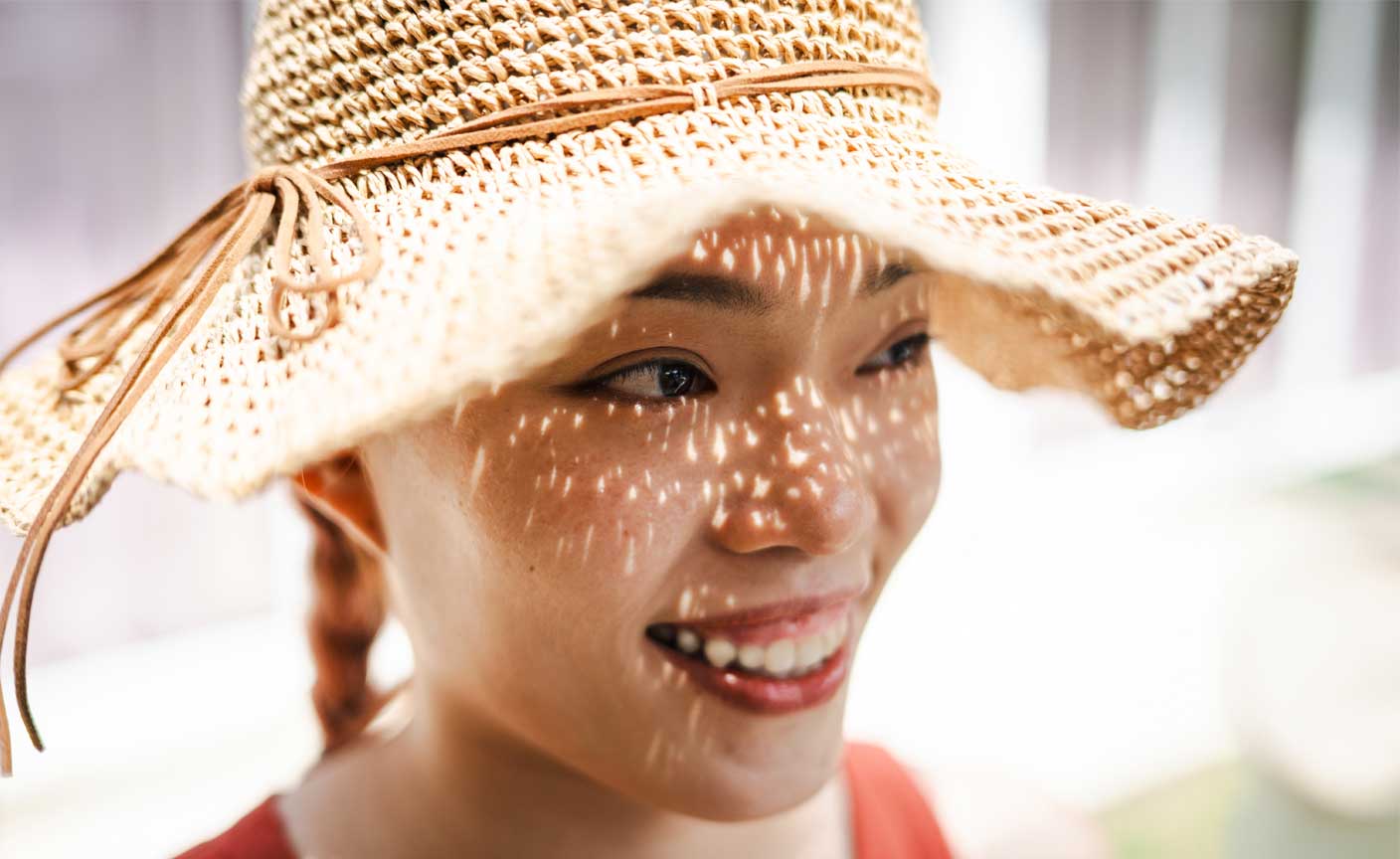
The Aussie sun can leave a mark
Our GPs are here to help spot potential skin conditions early.
Blua Digital health by Bupa
Blua is Bupa’s new home for digital health services like online doctor appointments and delivery of prescription items and over-the-counter goods.
At Bupa, trust is everything
Our health and wellbeing information is regularly reviewed and maintained by a team of healthcare experts, to ensure its relevancy and accuracy. Everyone's health journey is unique and health outcomes vary from person to person.
This content is not a replacement for personalised and specific medical, healthcare, or other professional advice. If you have concerns about your health, see your doctor or other health professional.
1 Cancer Council. (2024). Skin cancer.
2 Cancer Council NSW. (2025). About skin cancer.
3 Cancer Australia. (2025). Melanoma of the skin statistics. Australian Government.
4 Cancer Council. (2025). How to protect your skin from the sun.
5 Cancer Council NSW. (2025). Checking for skin cancer.
6 Cancer Council Australia. (2024). Check for signs of skin cancer. Cancer Council Australia.
You might also like
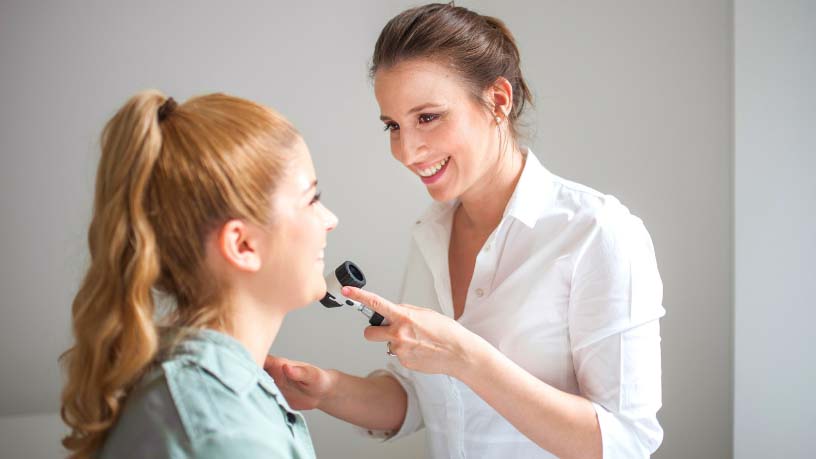
Skin checks: Everything you need to know
Skin cancer is common in Australia, but early detection can significantly decrease your risk of a serious outcome. Discover different ways to check your skin.
Skin cancer: Understanding the main types
Skin cancer is the third most common cancer in Australia, but it can be treated if caught early on. Learn about the main types, plus how you can stay safe in the sun.

Your guide to sunscreen and SPF
You may know that sunscreen provides protection from the sun, but have you ever wondered how it works? Figure out which sunscreen is right for you.
Sun protection and Vitamin D: Finding the right balance?
How do you balance the risk of skin cancer from the sun with maintaining Vitamin D levels?