Recall training can take time and patience but is a skill that will help keep your dog safe.
By Blua Digital health by Bupa

By Blua Digital health by Bupa
Recall training can take time and patience but is a skill that will help keep your dog safe.
Select one word or hand signal to let your dog know it’s time to come back to avoid confusing your pet.
Take your dog's leash on and off throughout the training so they don’t associate being leashed with having to leave the park.
Teaching your dog to come when called (known as recall training) is one of the most important skills your pet can learn.
While it’s very handy to have an obedient dog who comes when they’re called, having a strong and reliable recall is actually vital for your pup’s safety, according to Dr Katrina Warren, Australian veterinarian and TV presenter.
Good recall can help your pet avoid hazardous situations, such as traffic, venomous snakes and other wildlife, and prevent them from getting involved in situations with aggressive dogs.
But dog recall can be one of the hardest behaviours to train. It takes persistence, patience, practice and plenty of rewards for your 4-legged student.
Dr Warren has some tips to help both you and your pup succeed.
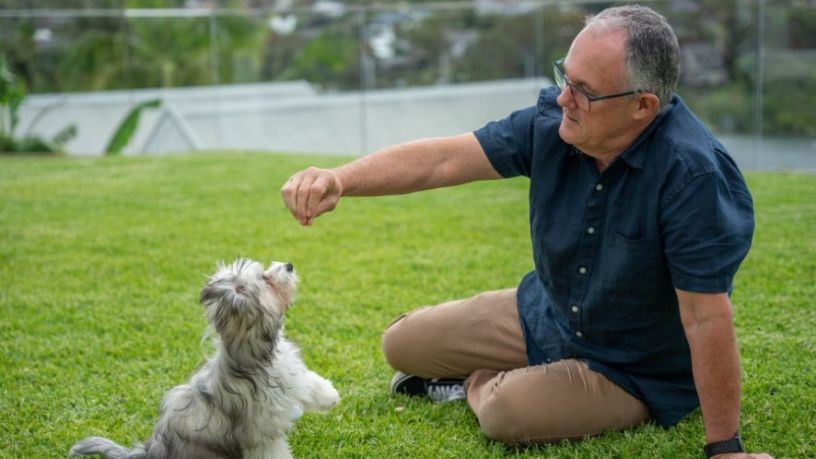
Before you teach a dog to come when called, you’ll need to make sure you have a reward on hand that is very attractive to your dog. Why? You have to make yourself the most exciting, interesting and appealing thing in the dog’s environment to make their coming back to you worthwhile for them. A good reward may be high-value treats (such as cooked chicken or a little bit of cheese) or, for dogs who aren’t food motivated, a favourite toy that only comes out during recall training.
One of the keys to setting your pup up for success is to start teaching dog recall in a distraction-free environment, such as inside the home. The fewer things to capture your dog’s attention as they learn the process, the more likely they will get it right. And, if they get it right, they get a reward, which increases their chances of performing the behaviour again.
“Coming to you should always be a pleasant experience,” says Dr Warren.
A big part of how to train dog recall is how not to do it, and there are some big no-no’s to be aware of if you want to teach a dog to come to you successfully.
When you’re teaching a pup to come to you, it’s important not to keep calling them if they’re running away. By doing this, you might inadvertently train your dog to run away from you when you call ‘come’ or call their name, rather than teaching them to return to you.
Whether teaching dog recall during a session or putting it into practise while out and about, “never punish or scream at your dog if they don’t come back to you when you call,” says Dr Warren. This will only teach them to be reluctant in the future. You want to make sure that teaching dog recall is a fun, positive experience for your pup.
If you’re teaching your pup to come when they’re still very young, keep your sessions short at around 3 to 5 minutes at a time. Pups have very short attention spans, whereas older dogs can train for 15 to 20 minutes.
When you’re feeling confident enough in your dog’s recall to take training out of the house, choose an enclosed area. This is essential for your pup’s safety. If you can’t find an enclosed area for training sessions, you might consider teaching pup to come while on a long leash until their recall is reliable.
One mistake often made when people teach a dog to come is letting them off leash in public and only recalling them to put the leash back on when it’s time to go. The dog learns that being called means the fun is over and may start ignoring the call. So, how do you teach your dog recall doesn’t necessarily mean it’s home time? Several times during play, call them over, leash them, give treats and praise, then let them go back to their fun.
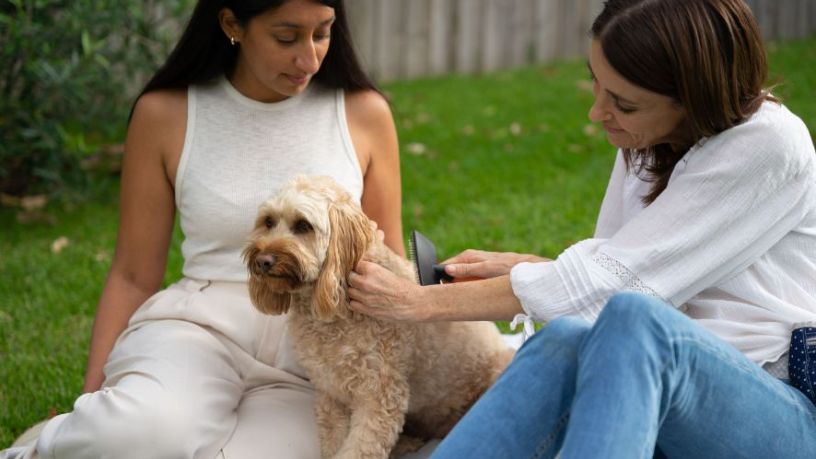
Training is just one part of looking after your pup. Learn more about how to groom your dog and why it’s important for their health and happiness.
Blua Digital health by Bupa
Blua is Bupa’s new home for digital health services like online doctor appointments and delivery of prescription items and over-the-counter goods.
At Bupa, trust is everything
Our health and wellbeing information is regularly reviewed and maintained by a team of healthcare experts, to ensure its relevancy and accuracy. Everyone's health journey is unique and health outcomes vary from person to person.
This content is not a replacement for personalised and specific medical, healthcare, or other professional advice. If you have concerns about your health, see your doctor or other health professional.
Time to teach your dog the house rules? We’ve put together 5 tips to help make obedience training easy, stimulating, and a lot of fun for your fur-baby!
Whether you’re giving them the usual brush, bath and trim or treating them to some TLC, it’s important to know how to safely and effectively groom your dog.
Done right, training can improve your pup’s confidence, help you create a loving and healthy bond, and be a lot of fun! But which training style is best?
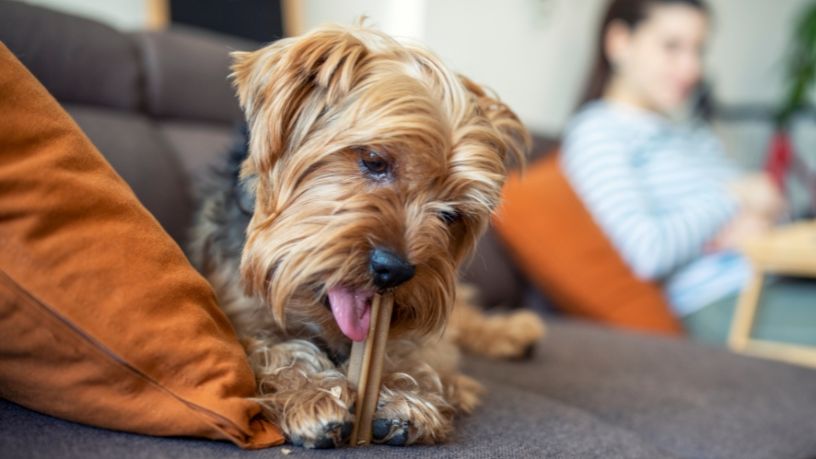
Even dogs don’t like going to the dentist. The good news is you can protect their teeth and gums between check-ups with some of their favourite foods.