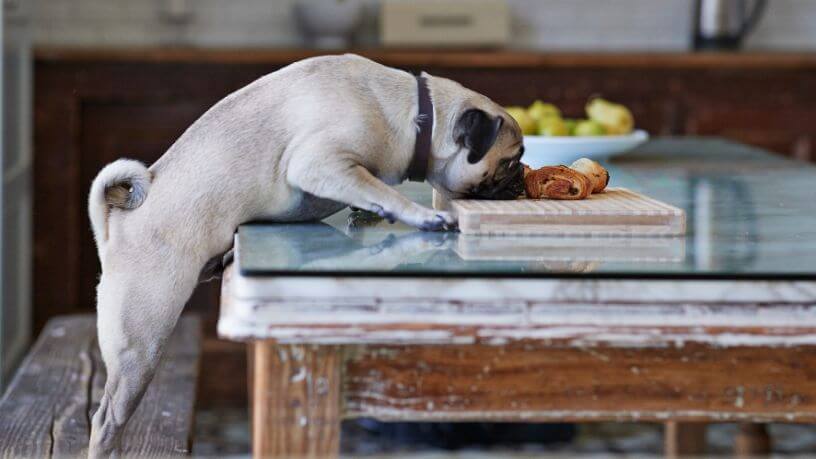
Puppies will often eat or swallow something that can make them seriously ill. Keep toxins out of reach and don’t feed your pet human food that could make them sick.
By Blua Digital health by Bupa

By Blua Digital health by Bupa
Puppies will often eat or swallow something that can make them seriously ill. Keep toxins out of reach and don’t feed your pet human food that could make them sick.
Your puppy, much like a toddler, might be prone to falling off furniture or downstairs, so watch for signs of injury should this occur.
If in doubt, always consult a vet. It’s better to be safe than sorry.
Bringing a new puppy home is an exciting time. But, if you’re a first-time dog owner, it can also be worrying if your new furry friend finds themselves in trouble.
We spoke to SASH Emergency and Critical Care Veterinarian, Dr Tim Hopkins, about the most common puppy emergencies he sees and what you should do in any of these situations.
“Puppies are coming to terms with their new world, and like human babies and toddlers they tend to do this with their mouths,” explains Dr Hopkins. According to the Animal Poisons Helpline, some of the most common toxins they are contacted about are rat bait, garden fertiliser, chocolate, grapes, herbicides and detergents.1
Intestinal parasites can become a serious problem for pups from as early as 2 weeks of age. Some are transmitted across the placenta or in milk and most parasites will cause vomiting, diarrhoea and a loss of appetite. For young dogs this can be a serious emergency.
“Puppies have a very high surface area to body weight ratio, which means they’re predisposed to dehydration and hypothermia,” Dr Hopkins explains. “Symptoms that wouldn’t pose a risk to an adult dog can be very scary in puppies. For example, if your pup is vomiting, it will take far fewer vomits to make them dehydrated and hypoglycaemic.”
Similarly, diarrhoea can pose a big problem for puppies as it can quickly lead to life-threatening dehydration.
“If your pup has diarrhoea for a prolonged period, they are at risk of developing an intussusception, where one part of the bowel swallows the adjacent segment like a telescope collapsing. This is a surgical emergency.”
A prolapsed rectum, where the last part of the intestine pops outside of the body, is also not uncommon because of severe or prolonged diarrhoea, say Dr Hopkins. “This needs to be quickly addressed with a visit to the vet.”
Electrocution is a fairly common cause for puppies to present to emergency, says Dr Hopkins.
“The damage can be more severe than just oral burns. Fluid on the chest can appear hours later and warrants a stay in emergency. Keep power cords out of reach of sharp little canine teeth.”
As Dr Hopkins mentioned, puppies learn about the world using their mouths and sometimes they find it hard to tell what’s food and what’s not.
Whether they’ve found a household item on the ground and swallowed it or chewed parts off a toy and ingested them, take them to the emergency vet immediately. While some small foreign objects may pass harmlessly through the bowel, the danger of a blockage is very real.
We do everything we can to keep our furry friends safe, but sometimes injuries happen. Taking a tumble down a set of stairs, getting caught in the bars of a crate, or being attacked by another animal are all relatively common. While puppies can usually overcome these sorts of injuries easily, it’s important to take them to the vet to give them the best chance of healing.
Even if you’re unsure if your puppy is having an emergency, it’s best to call your vet for advice. Some of the reasons you might bring your pet to a 24-hour vet emergency department include:
For more information about these signs and what to do, visit SASH Vets Emergency Vet Hospital.
If your puppy is unwell or in distress, or you see them eating something they shouldn’t, it’s vital that you seek expert help.
“Dog owners should be vigilant for changes in their puppy’s behaviour and habits. If your pet is looking dull or listless, especially in combination with any vomiting or diarrhoea, they may be dehydrated and require intravenous fluids,” explains Dr Hopkins.
Blua Digital health by Bupa
Blua is Bupa’s new home for digital health services like online doctor appointments and delivery of prescription items and over-the-counter goods.
At Bupa, trust is everything
Our health and wellbeing information is regularly reviewed and maintained by a team of healthcare experts, to ensure its relevancy and accuracy. Everyone's health journey is unique and health outcomes vary from person to person.
This content is not a replacement for personalised and specific medical, healthcare, or other professional advice. If you have concerns about your health, see your doctor or other health professional.
1Australian Animal Poisons Helpline. (2024). Most common dog poisons. Australian Animal Poisons Helpline.
We’ve all been guilted into sneaking our furry friends some human food every now and then, so it’s important to know which common items can harm their health.
Bringing a new puppy home is always exciting and sometimes a bit overwhelming, so we’ve put together a quick guide to help you prepare their forever home.
Even dogs don’t like going to the dentist. The good news is you can protect their teeth and gums between check-ups with some of their favourite foods.
Time to teach your dog the house rules? We’ve put together 5 tips to help make obedience training easy, stimulating, and a lot of fun for your fur-baby!